
The landscape of herbal product utilization has significantly evolved, increasingly offering alternatives to conventional medicines and chemical additives. This shift is largely driven by a growing awareness of their health benefits and generally minimal side effects, alongside their increased availability. Many experts link this trend to a post-pandemic distrust in chemical medicines and a rise in reported side effects from traditional pharmaceuticals. Amidst this evolution, Delta products, particularly Delta-8 THC, have garnered considerable attention. The central question for many is: What are the best ways to utilize Delta-8 products?
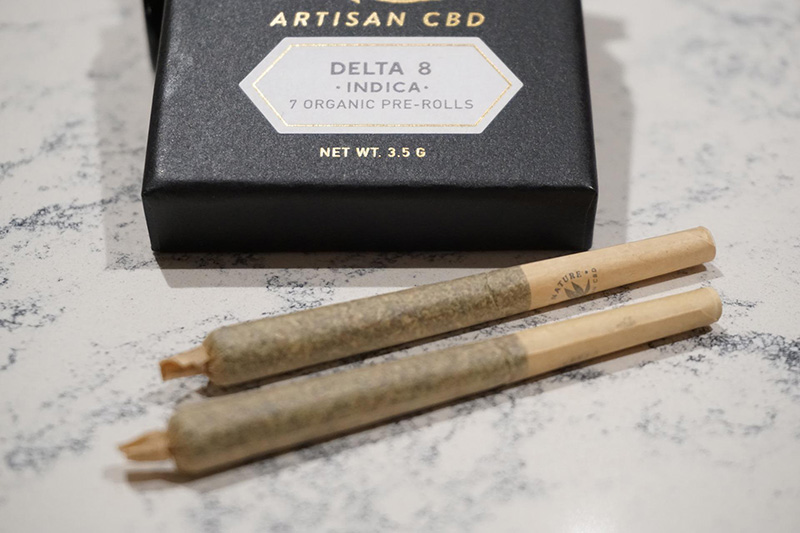
Delta-8 tetrahydrocannabinol (Delta-8 THC) is one of over 100 chemical compounds found in the Cannabis Sativa plant. While Delta-9 tetrahydrocannabinol (THC) is well-known for its potent euphoric effects, Delta-8 offers a distinct experience. Federally legalized in the U.S. in 2018 through the Farm Bill, hemp-derived products containing no more than 0.3% Delta-9 THC were permitted. This legislation paved the way for the production and sale of Delta-8 products, which are psychoactive but generally less potent than Delta-9 THC. The market now features a booming array of Delta-8 options, including tinctures, capsules, gummies, and vapes. Brands like Bud Pop Delta 8 exemplify these offerings, often highlighted for their potential to alleviate stress.
How to Best Utilize Delta-8 Products
What Is Delta-8 THC?
Delta-8 is a cannabinoid that has gained prominence for its potential therapeutic benefits, including reducing anxiety, pain, nausea, and fatigue. Similar to Delta-9 THC, Delta-8 induces psychoactive effects, though its potency is typically described as milder. This psychoactive experience results from the cannabinoid interacting with the body’s endocannabinoid system, leading to a state often described as euphoria, particularly when consuming potent recreational products.
Here’s How You Best Utilize Delta-8 Products
As an Effective Antiemetic
Delta-8 THC shows significant promise as an antiemetic, meaning it can help combat nausea and vomiting. The efficacy of cannabinoids in reducing nausea is well-documented; research has long demonstrated that cannabis-derived compounds can decrease or prevent these uncomfortable symptoms. However, the strong psychoactive profile of Delta-9 THC has historically limited its widespread use for this purpose.
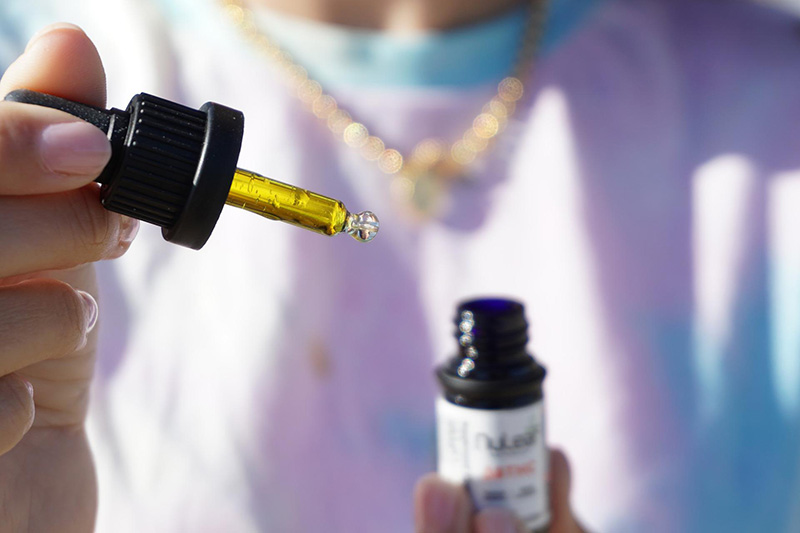 This is where Delta-8 products offer a compelling alternative. With similar antiemetic properties but a lower psychoactive potency compared to Delta-9 THC, Delta-8 may be more appealing for addressing nausea. Notably, studies have indicated that Delta-8 THC has effectively prevented chemotherapy-induced nausea and vomiting in pediatric cancer patients, highlighting its significant potential in clinical settings.
As an Appetite Stimulant
Delta-8 THC is also effectively utilized as an appetite stimulant, and it may assist in regulating nutrient absorption. It is known that cannabis use can lead to increased hunger, commonly referred to as “the munchies.” Delta-8 products, even at small doses, can significantly boost appetite. This makes them potentially valuable for individuals experiencing low appetite, such as cancer patients undergoing treatment, where maintaining nutritional intake is crucial.
As a Natural Relaxant
Research, including studies cited by the National Cancer Institute, suggests that Delta-8 THC shares anxiolytic (anxiety-reducing) effects similar to Delta-9 THC. Both cannabinoids can promote relaxation and a sense of well-being. However, Delta-8 is distinguished by its less intense psychoactive profile and potentially fewer anxiety-inducing side effects compared to Delta-9 THC.
Users of Delta-8 products often report a more mellow and focus-enhancing experience, characterized by feelings of happiness, relief, euphoria, and upliftment, but with less intensity than those associated with Delta-9 THC. This milder effect can also contribute to improved sleep, further establishing Delta-8 as a valuable natural relaxant. Delta-8 THC interacts with the body’s endocannabinoid system, particularly the CB1 receptors, which are instrumental in modulating anxiety and fear responses by triggering neurotransmitters and hormones that regulate these feelings.
As a Pain Reliever
Pain relief is a primary reason many individuals turn to cannabinoid products. Research indicates that Delta-8 THC can effectively help reduce chronic pain, especially when applied topically. Its anti-inflammatory properties are particularly beneficial for addressing chronic pain often associated with conditions like Alzheimer’s disease.
Studies have suggested that the tetrahydrocannabinol in Delta-8 products, such as gummies, can be effective against neuropathic and central pain. By targeting inflammation at its source, Delta-8 helps reduce pain signals and subsequently lowers the perception of pain, offering a promising avenue for chronic pain management.
As a Brain Health Enhancer
Recent scientific interest has surged around how tetrahydrocannabinol compounds, including Delta-8, affect brain health. Delta-8 THC has been investigated for its neuroprotective properties, with its effects potentially linked to mechanisms such as inhibiting adenylyl cyclase and regulating potassium and calcium channels within the central nervous system. These actions are believed to contribute to overall brain health.
Furthermore, Delta-8 THC may play a role in managing degenerative mental conditions by increasing levels of choline and acetylcholine. By promoting improved neuron generation and growth, Delta-8 could contribute to enhanced brain health and cognitive function.
Wise Delta-8 Product Usage
When experimenting with Delta-8 products, it is crucial to start with a low dose, typically 5-10 mg, and carefully observe how you feel. Since Delta-8 can take one to three hours to fully manifest its effects, patience is key. Allow sufficient time for the product to enter your system in a comfortable and safe environment. First-time users, or those new to cannabis, may experience a more significant impact.
While Delta-8 THC is generally considered less potent than Delta-9 THC, many edible manufacturers dose Delta-8 gummies at 25 mg, compared to a typical 10 mg dose for Delta-9 THC gummies. Your individual experience with Delta-8 can vary widely based on your body chemistry, tolerance levels, and the setting in which you consume it, even if you are an experienced cannabis user. Starting with a small amount remains the best approach to gauge its effects. For quicker onset, vaping Delta-8 offers effects within approximately ten minutes, which can be an effective way to titrate your dose.
Final Thoughts on How to Best Utilize Delta-8
Delta-8 THC products are available in diverse forms, including edibles, tinctures, sublingual sprays, and options for smoking and vaping. Its primary appeal lies in offering many of the benefits associated with THC without the intense psychoactive effects often linked to Delta-9. This allows for functionality and productivity to be maintained, while still enjoying the therapeutic potential of cannabinoids. Consequently, Delta-8 expands the ways individuals can experience THC. Given its numerous benefits, Delta-8 is becoming more widely accessible, particularly in regions where cannabis and CBD are already legal, opening new possibilities for a broader demographic.