If you’re new to the vaping world, it would seem like there are just too many things to think about when buying your first (or second) vape kit—from the vape mod, atomizers, vape coil, tank, wicking materials, and so on.
Among these things, the vape coil is the heart of your kit. It’s something that your vape can’t do without. In this article, we’ll help you keep your tabs on vape coils; how often you should replace them, and how to know when you need a new one.
Editor’s update (September 2026): This article’s coil replacement and safety guidance has been revised.
Vape Coils: What Are They?
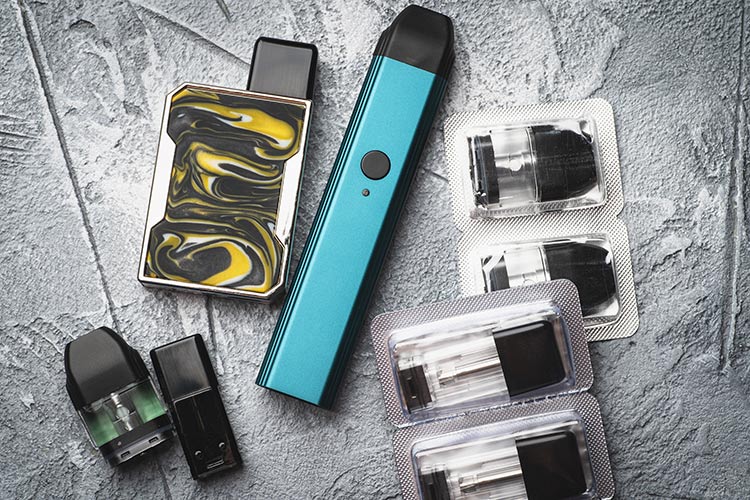
A vape coil is the heating element in an atomizer or pod. In many refillable devices, it sits alongside a wick that draws e-liquid toward the heated surface. Some devices use a replaceable coil head; others require replacing the whole pod. Coil materials and designs vary by model, so use only parts and settings specified for your device. A coil that fits physically is not necessarily compatible with the device’s operating range.
Vape Coils: When To Change Them
There is no universal weekly, two-week, or monthly replacement schedule. Coil life depends on the device, how often it is used, the liquid, and the operating settings. Follow the instructions for your particular coil or pod. A persistent burnt taste is a reason to stop using and replace the coil or pod. Fading flavor or vapor can also indicate wear, although power level, liquid level, and device connections should be checked first. When fitting a new coil, follow the manufacturer’s priming and filling instructions before use.

Signs to Check the Coil and Tank
- Burnt taste: Stop using the device and check its instructions. If the coil or wick is burnt, replace the compatible coil or pod.
- Fading flavor or vapor: Check the battery charge, liquid level, connections, and recommended power range. If performance remains poor, a replacement coil may be due.
- Leaks: A leak does not prove that the coil has failed. Check the fill level, seals, glass or pod fit, and coil seating according to the manufacturer’s instructions. Stop using a damaged device.
- Gurgling: This can indicate excess liquid or another tank or pod issue. Follow the device’s troubleshooting instructions before assuming a new coil is needed.
- Visible damage: If a user-replaceable coil, pod, or seal is damaged, replace the appropriate part. Do not open the battery housing or modify the device to diagnose a coil problem.
Final Thoughts
Use the manufacturer’s instructions for coil replacement, compatible parts, and device settings. Coil maintenance and battery safety are separate issues. For battery charging and handling, follow the device maker’s guidance and the FDA’s vape battery safety advice. If the device overheats, is visibly damaged, or behaves abnormally, stop using it and contact the manufacturer.