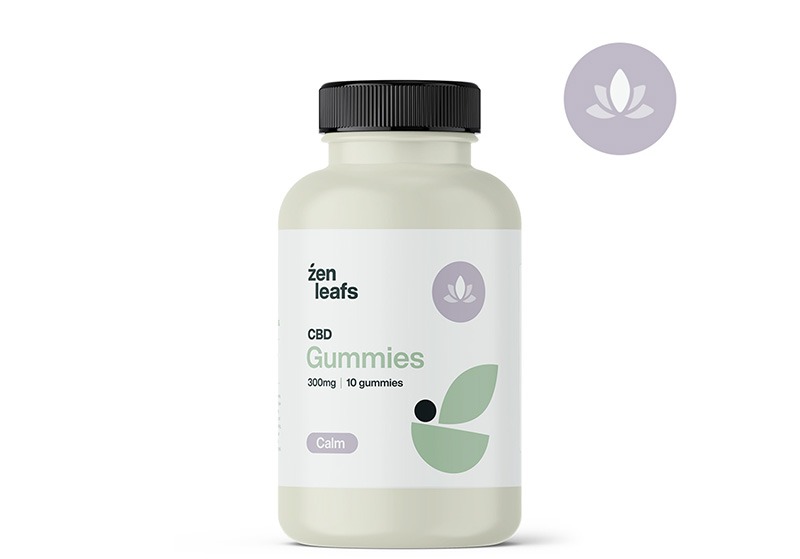

CBD is often discussed as though one short answer could settle it: does it work? The honest answer is more precise. CBD is a real compound, research is ongoing, and one prescription CBD medicine has a specific FDA-approved use. That does not establish that a consumer CBD product treats pain, anxiety, sleep problems, inflammation, depression, or another condition.
This article is about the gap between a compound’s potential, a product’s marketing, and evidence strong enough to support a health claim. It does not recommend a product, a dose, or a condition to self-treat.
What the evidence does establish
The FDA has approved one prescription drug containing purified cannabidiol for seizures associated with certain rare and severe seizure disorders. That approval came through the normal drug-review process for a defined medicine, use, population, and set of risks. It should not be read as blanket approval for CBD oils, gummies, capsules, vapes, creams, or other consumer products.
Outside that approved use, the evidence is still incomplete. Early findings, laboratory work, and small studies may be useful leads for researchers, but they are not the same as proof that a retail product works for a particular symptom. A cautious publication distinguishes between a research question and a medical conclusion.
Why health claims need scrutiny
CBD marketing commonly relies on broad terms such as balance, recovery, calm, or wellness. Those words are often designed to sound medical without making a claim that can be tested. More direct promises, such as treating pain, anxiety, insomnia, or a chronic disease, should be treated as a warning sign rather than a reason to rely on the product.
Regulatory language matters here. The fact that a product is sold online, in a shop, or in attractive packaging does not mean that it has been reviewed as a medicine. Consumer CBD products have not generally been evaluated by the FDA to establish that they are safe and effective for the conditions their marketing may imply.
Forms are delivery formats, not proof of effectiveness
CBD may be sold as an oil, capsule, edible, topical, beverage, vape, or cosmetic. Those labels describe a format; they do not demonstrate a clinical benefit. They also do not tell a reader how much CBD reaches the body, whether the stated amount is accurate, or how the product could interact with other substances.
That is why a simple comparison of formats is not responsible medical guidance. We will not tell readers to switch formats, raise a dose, or use CBD in place of professional care. If a health concern needs treatment, it deserves a proper evaluation first.
Known risks and unanswered questions
FDA consumer guidance identifies potential CBD risks that include liver injury, interactions with other medicines, drowsiness, gastrointestinal effects, and changes in mood. The agency also notes unanswered questions about long-term use, cumulative exposure across products, and interactions with herbs and other supplements.
Those concerns are especially important for people taking prescription medicines or managing a serious health condition. Pregnancy and breastfeeding require an even clearer boundary: the FDA advises against using CBD, THC, or marijuana in any form during pregnancy or while breastfeeding.
Product quality is its own question
Even before considering a claim of effectiveness, consumers face a basic quality problem. The FDA has raised concerns that some CBD products may not contain the amount stated on their labels or may contain contaminants. Marketing language about purity, testing, or “natural” ingredients is not a substitute for regulatory approval or independent evidence.
For that reason, Spinfuel will not publish seller lists, affiliate-style buying guides, or product pitches that present CBD as a treatment. We are interested in clear reporting: what a claim says, what evidence supports it, what remains unknown, and where a reader should pause.
The practical answer
CBD is not a cure-all, and it is not possible to responsibly promise that it will work for a particular person or condition. One prescription CBD medicine has a narrowly defined approved use. The wider consumer marketplace is a different category, with real safety questions and far fewer settled answers.
If you are considering CBD because of a symptom, medication, or medical diagnosis, speak with a qualified healthcare professional before treating yourself. If a product’s marketing makes that step sound unnecessary, the marketing is the problem.
Editorial note: This overview reflects FDA consumer guidance reviewed in September 2026. It is general information, not medical advice.