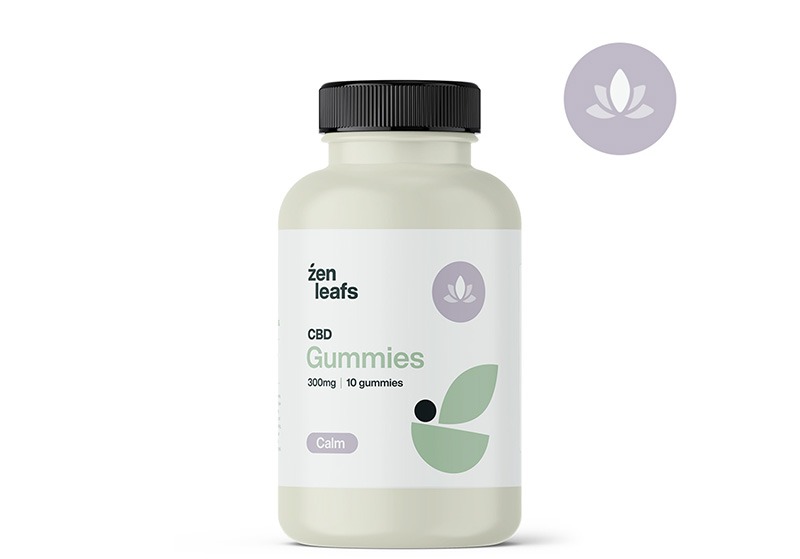
CBD gummies are easy to find and easy to understand at a glance: they are edible products that contain cannabidiol, usually called CBD. What is less simple is the marketing around them. A gummy is not automatically a harmless wellness product, and its label is not proof that it can treat a health condition.
This guide is deliberately non-promotional. It does not recommend a brand, a dose, or a condition to self-treat. Its purpose is to separate the familiar language around CBD from what consumers should know about safety, regulation, and medical claims.
CBD is not THC, but the distinction matters
CBD and delta-9 THC are different compounds found in cannabis. THC is the compound associated with intoxication. CBD does not produce the same intoxicating effect, but that does not make every CBD product interchangeable, risk-free, or medically proven.
Product labels can be confusing. Terms such as hemp-derived, full spectrum, and wellness describe marketing categories, not a guarantee that a product has been evaluated for safety or effectiveness. A product sold as CBD may also raise questions about its actual cannabinoid content, other ingredients, or possible contaminants.
What has actually been approved?
In the United States, the FDA has approved one prescription drug containing purified CBD for specific, rare seizure disorders. That approval does not mean that over-the-counter CBD gummies are approved to treat anxiety, pain, insomnia, inflammation, depression, or any other condition.
That difference is central. A medical claim requires evidence and regulatory review. A consumer product’s language, customer reviews, or social-media popularity do not replace either one. If a claim sounds as though a gummy can diagnose, treat, prevent, or cure a disease, it deserves particular skepticism.
Safety questions are not optional
Federal consumer guidance identifies potential risks associated with CBD, including possible liver injury, interactions with other medicines, drowsiness, gastrointestinal effects, and changes in mood. Some risks may not be obvious without medical supervision. The research base also leaves important questions unanswered, including the effects of regular long-term use and how CBD may interact with other herbs or supplements.
That makes a conversation with a qualified healthcare professional especially important for anyone who takes prescription medication, has a liver condition, is managing a serious illness, or is considering CBD because a symptom has not been properly evaluated. CBD should not be used as a substitute for diagnosis or proven treatment.
Why gummies deserve extra caution
Edibles can look like ordinary candy. That creates an obvious risk of accidental consumption, particularly by children. Keep any cannabis-derived product in its original packaging and out of the reach of children and pets. Never assume that a product is harmless because it is flavored, familiar-looking, or sold alongside ordinary snacks.
Pregnancy and breastfeeding deserve a separate, clear warning: the FDA advises against using CBD, THC, or marijuana in any form during pregnancy or while breastfeeding. Anyone in that situation should speak with a healthcare professional about appropriate care instead of relying on a consumer product.
How to read marketing more carefully
A careful reader looks for what an advertisement avoids saying. Be wary of language that promises quick relief, calls a product a cure, suggests that medical care is unnecessary, or treats an ingredient list as proof of quality. Be equally wary of claims that a product works for everyone, has no risks, or is backed by a vague reference to “science.”
This is also a good place to slow down rather than follow an online recommendation. Regulation varies by jurisdiction, and federal treatment of CBD in foods and dietary-supplement-style products remains limited. A product being sold online or in a shop does not establish that it has been approved for a medical use.
The Spinfuel standard
Spinfuel will not present CBD gummies as a shortcut for pain, sleep, anxiety, or another medical condition. We will not publish affiliate-style buying lists or send readers to a seller in place of evidence. When we cover CBD, cannabis, or related products, the work must distinguish a reported claim from established evidence, state the limits of the research, and place safety ahead of sales language.
The practical bottom line is simple: do not let a colorful package or confident claim make the decision for you. For a medical question, start with a healthcare professional. For a consumer question, treat unsupported claims as a reason to pause, not a reason to purchase.
Editorial note: This overview reflects FDA consumer guidance reviewed in September 2026. It is general information, not medical advice.