Are you looking for a potent way to consume CBD? If so, you may be wondering whether hemp flower or CBD flower is the better option. Let us discuss the significant differences between these two products to help you make an informed decision.
What Is Hemp Flower?
The hemp flower is the flowering top of the hemp plant. These flowers have very low levels of THC (<0.3%), while CBD flowers can have higher levels of THC depending on their source. However, both hemp and CBD flowers provide therapeutic benefits without the psychoactive effects of THC.
What Are the Benefits of Hemp Flower?
Hemp Flower Offers Many of the Same Benefits as CBD, Including:
1) Relief from anxiety
Hemp flowers are known to provide relief from anxiety. These flowers have also been shown to be effective in treating human anxiety disorders.
2) PTSD
A small 2012 study found that hemp may help reduce symptoms of PTSD in people who do not respond to traditional treatments. This is likely due to the flower’s ability to reduce anxiety and improve sleep.
3) Pain relief
CBD is a well-known pain reliever, and hemp flower contains high levels of CBD. A 2017 review concluded that CBD is an effective treatment for chronic pain. Hemp flower can also be used topically, providing localized relief from pain and inflammation.
4) A great source of terpenes
Hemp flowers are a great source of terpenes, which are compounds that give plants their smell and flavor. Terpenes have been shown to have medicinal and therapeutic properties, and they may also enhance the effects of CBD.
5) Contains higher levels of CBG (cannabigerol)
Hemp flowers contain higher levels of CBG (cannabigerol), another compound found in cannabis. CBG has been shown to have anti-inflammatory, antibacterial, and neuroprotective properties.
How To Consume Hemp?
Hemp can be consumed in several ways, including smoking, vaping, eating, and taking it as a supplement.
1) Smoking
Smoking hemp flower is perhaps the most popular way to consume the plant. Hemp flowers can be smoked out of a pipe, bong, or joint, or they can be rolled into a cigarette. Smoking hemp flower will give you a more immediate effect than other methods of consumption, such as eating it or taking it as a supplement.
2) Vaping
Vaping is another popular way to consume hemp flowers. When you vape it allows you to inhale the cannabinoids without having to smoke the plant material. Lastly, vaping is thought to be a healthier alternative to smoking because it doesn’t involve combustion.
3) Eating
You can also eat hemp flowers. Hemp flowers from https://mrhempflower.com/ can be added to food or made into tea. Eating hemp flowers will give you a more delayed effect than smoking or vaping because the cannabinoids have to be digested first.
4) Taking it as a supplement
Hemp flowers can also be taken as a supplement. Hemp extract is available in oils, capsules, and tinctures. Taking hemp as a supplement will give you a more delayed effect than smoking or vaping, but it will last longer.
What Is CBD Flower?
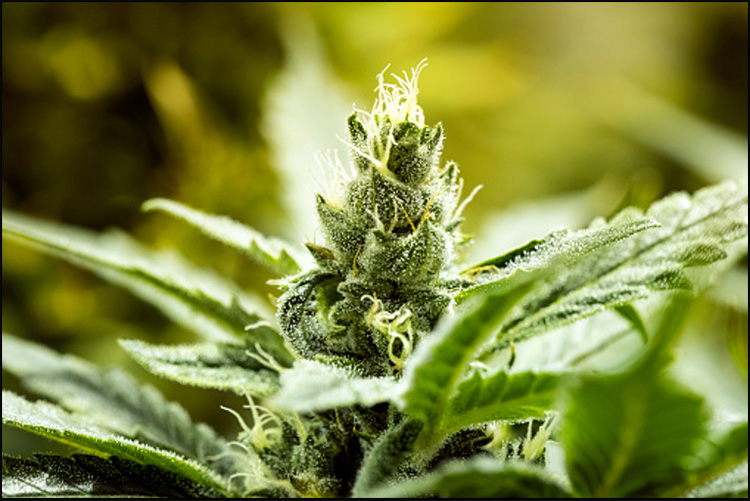
CBD flower is the flowering top of the hemp plant that has been bred to have high levels of CBD. These flowers usually have lower levels of THC (<0.3%), but some strains may have higher levels depending on their source. CBD flowers provide many of the same benefits as hemp flowers, without the psychoactive effects of THC.
What Are the Benefits Of CBD Flower?
CBD flower provides many of the same benefits as hemp flower, including relief from anxiety, pain, and inflammation. However, CBD flowers may also provide additional benefits, such as:
1) Reduced stress
A small 2016 study found that CBD can reduce stress in people who are speaking in public. This is likely due to the flower’s ability to reduce anxiety.
2) Improved sleep
CBD flowers have also been shown to improve sleep. A small 2014 study found that CBD can increase the duration and quality of sleep in people with insomnia.
3) High in cannabidiol (CBD)
CBD flowers are high in cannabidiol (CBD), which is the main active compound in cannabis. CBD shows a wide range of therapeutic and medicinal benefits.
4) May help treat seizures
CBD flowers have also been shown to be effective in treating seizures. A small 2017 study found that CBD can reduce the frequency of seizures in people with epilepsy.
5) Contains other cannabinoids
CBD flowers also contain other cannabinoids, such as CBG, CBC, and THCV, and D8 Flower. These cannabinoids work together to provide even more therapeutic benefits.
How To Consume CBD Flower?
There are three ways to consume CBD flower:
1. Smoking:
You can roll it up in a joint, pack it in a pipe, or use a vaporizer.
Joint
Joint is the most common way to smoke CBD flowers. All you need is some rolling paper, a filter (optional), and your favorite strain of CBD flower. Simply roll it up like a regular joint and light it up!
Pipe
Smoking CBD flower from a pipe is very similar to smoking a joint, except you don’t need any rolling paper. Just pack your pipe with CBD flower and light it up!
Vaporizer
Vaping CBD flower is one of the healthiest ways to consume them. Vaping heats the CBD flower just enough to release its active compounds but not enough to create any harmful byproducts. You can use a vape pen or a desktop vaporizer.
2. Edibles:
You can make your own edibles or purchase them from a dispensary.
Making Your Own Edibles
If you are willing to make your own CBD edibles, you’ll need to decarboxylate your CBD flower first. This process activates the compounds in CBD flowers, making them more bioavailable. To decarboxylate your CBD flower, simply bake it in an oven at 240 degrees Fahrenheit for about 30 minutes. Once it’s done, you can add it to any recipe you like!
Purchasing Edibles
You can also purchase CBD edibles from a dispensary. These are usually made with CBD oil or isolate, but some may be made with CBD and New THCa Flower. Just ensure to check the label so you know what you’re getting!
3. Tinctures:
You can make your own tincture or purchase one from a dispensary.
Making Your Own Tincture
Making your own CBD tincture is a bit more involved than making edibles, but it’s still relatively easy to do. You’ll need to decarboxylate your CBD flower first, then infuse it into a carrier oil like coconut oil or olive oil. Once it’s infused, you can add it to any recipe you like or take it sublingually (under the tongue).
Purchasing Tinctures
You can also purchase CBD tinctures from a dispensary. These are usually made with CBD oil or isolate, but some may be made with CBD flowers. Ensure to check the label to know what you are getting!
4. Topicals:
You can make your own topical or purchase one from a dispensary.
Making Your Own Topical
Making your own CBD topical is relatively easy to do. You’ll need to decarboxylate your CBD flower first, then infuse it into a carrier oil like coconut oil or olive oil. Once it’s infused, you can add it to any recipe you like or use it as is.
Purchasing Topicals
You can also purchase CBD topicals from a dispensary. These are usually made with CBD oil or isolate, but some may be made with CBD flowers. Ensure to check the label to know what you are getting!
Whatever method you make use of will depend on your preferences. Some people prefer smoking because it provides the fastest relief from symptoms. Others prefer edibles or topicals because they are easier to dose and don’t require any special equipment.
If you’re new to CBD flower, we recommend starting with a low dose and working your way up until you find the right amount for you. It’s also important to purchase CBD flowers or perhaps a HHC Distillate from a reputable source, so you know exactly what you’re getting.
The Difference
1) THC content
Hemp flower and CBD flower are both derived from the cannabis plant. However, hemp flowers contain less than 0.3% THC, while CBD flowers can contain up to 5% THC. As a result, hemp flowers are non-psychoactive, while CBD flowers may provide some psychoactive effects.
2) Potency
When it comes to potency, CBD flowers tend to be more potent than hemp flowers. This is due to their higher THC content. However, several individuals prefer the milder effects of hemp flowers.
3) Pricing
Hemp flowers are typically cheaper than CBD flowers. This is because they contain less THC. However, prices will differ based on the quality of the product.
4) Availability
CBD flowers are not as widely available as hemp flowers. This is because they are subject to more stringent regulations. Hemp flowers can be purchased online and in some stores, while CBD flowers may only be available in states where cannabis is legal.
5) Legal Status
The legal status of hemp flowers and CBD flowers also differ. Hemp flowers are legal in all 50 states, while CBD flowers derived from marijuana is only legal in some states with medical or recreational marijuana laws.
So, Which Is Better – Hemp Flower Or CBD Flower?
There is no clear answer to which is better – hemp flower or CBD flower. Both types of flowers provide many of the same benefits, and they can be used to treat a variety of conditions. However, CBD flowers may provide additional benefits due to their high CBD content. Ultimately, the best type of flower for you will depend on your individual needs and preferences. If you are looking forward to consuming a potent way to consume CBD, then CBD flower may be the better option. However, if you’re looking for a milder product that’s more widely available and less expensive, then hemp flower may be the better choice.
The Bottom Line
From hemp flower, Delta 8 Live Resin, and CBD flower offer potential health benefits. However, they differ in terms of THC content, potency, and availability. When deciding which product to use, it’s important to consider your needs and preferences. If you are seeking a potent way to consume CBD, CBD flower may be the better option. But if you want a more affordable product, hemp flower may be the better choice.