Editor’s note: This archived article has been revised. It is an informational review of CBD marketing language, not a recommendation to use CBD for wellness, symptoms, or medical treatment.
“Wellness” is not a clinical outcome
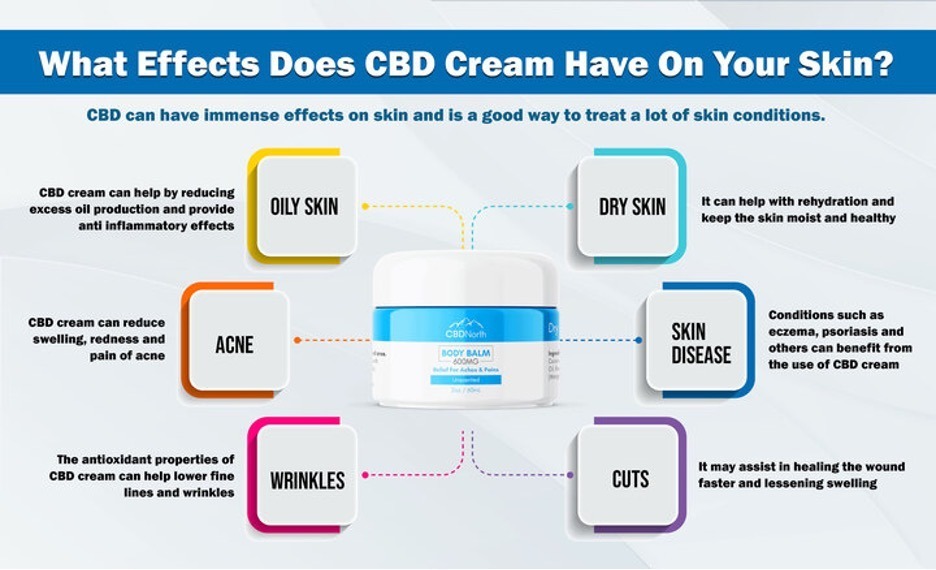
CBD is often marketed as part of a general wellness routine. That phrase can sound reassuring, but it does not establish that a consumer product is safe, effective, accurately labeled, or appropriate for a particular person.
Words such as “balance,” “recovery,” “calm,” “relief,” and “wellness” are not substitutes for evidence. They do not show that a product treats a condition or that it can be safely used alongside prescription medicine.
What the FDA has approved
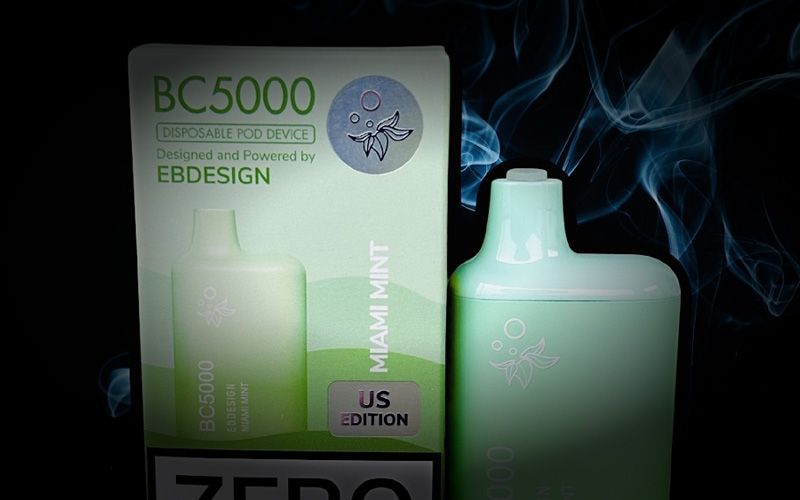
The FDA has approved one prescription CBD medicine for certain rare seizure disorders. That narrow approval does not apply to consumer CBD products sold for broad wellness purposes, including oils, gummies, capsules, cosmetics, vapes, and foods.
The FDA warns that consumer CBD products can raise safety and quality concerns. Potential risks include liver injury, interactions with other medicines, drowsiness, and uncertainty about whether a product contains what its label claims.
Better questions than “does it work?”
A responsible consumer question begins with evidence and safety, not a package promise. Is a claim supported by credible research? Could the product interact with medication? Is a person using a consumer product instead of seeking care for a persistent or serious symptom? Those questions remain important even when marketing presents CBD as routine self-care.
People who are pregnant or breastfeeding should avoid CBD unless a qualified clinician gives specific guidance. Anyone considering CBD for a symptom or health concern should speak with a licensed healthcare professional.
Spinfuel’s archival standard
Spinfuel is keeping its record of public interest in CBD while removing claims that no longer meet a responsible editorial standard. This revision includes no seller links, brands, dosage suggestions, or wellness promises. For current consumer-safety information, consult the FDA and a qualified healthcare professional.