QUICK TAKE
How long do vape pods last under real conditions? Refillable pod coils typically deliver one to two weeks under moderate use, though the single biggest variable isn’t the brand name on the pod or even the coil design. It’s the e-liquid you’re putting into it. Heavily sweetened formulas cut coil life roughly in half, and that’s the detail most hardware reviews leave out entirely. Know what is really wearing your coil out and you’ll spend a lot less replacing them.
How long do vape pods last? The question gets asked constantly, and the answer it usually gets is frustratingly vague: “it depends.” That is technically accurate and completely unhelpful. What it depends on, and how much each variable truly matters, is worth understanding properly, because pod coil replacement is one of the real ongoing costs of refillable vaping. Understanding the degradation curve turns a recurring frustration into something predictable and manageable.
There are four variables that determine how long your pod lasts: coil engineering, e-liquid chemistry, usage patterns, and device settings. They do not all carry equal weight. The first two matter more than most vapers realize, and of those two, the e-liquid is the one that most hardware coverage ignores almost entirely.
What Is Happening Inside the Coil
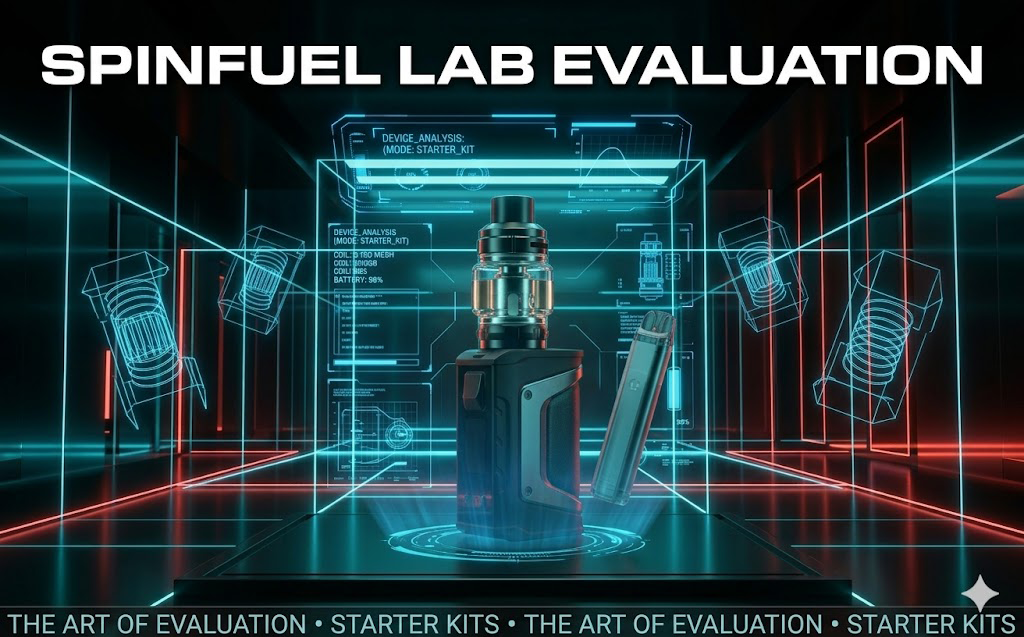
A pod coil is a small heating element wrapped in or adjacent to a cotton wick. When you draw, the battery fires current through the coil, heats it, and the saturated wick vaporizes the liquid in contact with the hot surface. That is the full mechanism, and every form of wear traces back to something disrupting it.
The core engineering difference between coil types is surface area. Traditional round-wire coils concentrate heat on a relatively narrow contact point. Mesh coils use a flat, perforated metal sheet, which distributes heat across a much wider area. That broader distribution means lower peak temperatures at any single point on the wick, which means slower cotton degradation, more even vaporization, and better flavor consistency over the coil’s life. This is why mesh coils became the standard: they are genuinely better, not just a marketing term.
Coil resistance controls how hard the element has to work. Higher-resistance coils, running at 1.0 ohm and above, operate at lower wattage and generate less heat per draw. They wear more slowly and are better suited to nicotine salt e-liquids, which are formulated for exactly this kind of device. Sub-ohm coils in pod systems produce more vapor and a more direct-lung hit, but they run hotter and the cotton takes more abuse per session. The tradeoff is real: more performance, shorter coil life.
The pod body itself rarely fails. The plastic cartridge, the seals, the mouthpiece, these can outlast several coil replacements in systems designed for swappable coils. When people say “my pod died,” they almost always mean the coil inside it died, not the pod itself.
E-Liquid Is Doing More Damage Than You Think
This is the variable that most pod lifespan discussions underweight, possibly because it implicates some of the best-selling flavors on the market. Heavily sweetened e-liquids, the dessert and candy profiles that dominate flavor charts, typically use sucralose as a sweetener. Sucralose does not vaporize cleanly. At coil temperatures, it caramelizes, and that caramelized residue bonds to the cotton and the metal. You can see it as a dark, sticky buildup that accumulates with every refill. It degrades flavor progressively, accelerates the burnt taste threshold, and cannot be cleaned off in any meaningful way. Once the gunk is there, it compounds.
This is not a problem with the pod or the coil. It is a chemistry problem. Switch the same setup to an unsweetened fruit or menthol e-liquid and the same coil may last twice as long with noticeably cleaner flavor throughout its life. This does not mean you have to give up sweet flavors, but it is useful to go in understanding the cost.
VG/PG ratio is the second liquid variable. High-VG formulations, seventy percent or above, are viscous enough that they struggle to wick quickly through the tight cotton packing in pod coils. When the wick cannot re-saturate fast enough to keep pace with your draw rate, you get dry spots, and dry spots burn cotton. Most pod coils perform better with a 50/50 or 60/40 blend. Nicotine salt formulations, which were developed specifically for pod systems, typically use balanced ratios that wick well and work cleanly with higher-resistance coils. They are the natural match for this type of hardware.
The sweetener in your dessert e-liquid caramelizes on your coil at vaping temperatures. That dark residue is not dirt; it is burnt sucralose, and it cannot be cleaned off. If your coils are dying fast, look at your liquid before blaming your device.
The Usage Patterns That Accelerate Wear
Chain vaping is the most common behavioral accelerant. The wick surrounding the coil needs time to re-saturate from the liquid reservoir after each draw. When you take back-to-back hits without pausing, the wick runs ahead of the reservoir, the dry section of cotton gets exposed to heat, and you get a dry hit. One or two dry hits from an oversaturated wick are usually recoverable. Repeated dry hits from persistent chain vaping are not: the cotton degrades, and the burnt flavor it produces will not come out.
How long each draw lasts matters as much as how frequently you draw. A two-second pull heats the coil briefly. A four-second pull runs it at temperature for twice as long per session. Heavy vapers who take long draws throughout the day are running the same coil harder than casual users doing occasional short pulls, and the lifespan difference reflects that directly.
On adjustable devices, wattage is worth calibrating. Most pod coils have a recommended range printed on the coil head, and running at the top of that range consistently pushes the coil harder than the middle of the range does. The performance difference between the two is minor. The lifespan difference is not.
How Long Do Vape Pods Last: Real Numbers by Setup
Under moderate use, how long a vape pod lasts comes down primarily to coil type and e-liquid. A refillable pod with a mesh coil typically delivers good flavor for ten to fourteen days before degradation becomes noticeable. Standard wire coils in the same usage range usually land between seven and ten days. These are the real numbers for a vaper doing a reasonable session per day with a neutral-to-lightly-sweetened e-liquid. If you’re chain vaping sweetened dessert profiles at the top of the wattage range, cut those numbers roughly in half.
Pre-filled closed pods, the kind used in most disposable-adjacent systems, are designed for single-use convenience rather than longevity. They typically deliver consistent flavor for three to seven days of moderate use before degrading, and when they’re done, the whole unit goes. The per-use cost is higher, but the simplicity has its own value for users who don’t want to manage coil replacement schedules.
Systems with replaceable coils inside a reusable pod body, designs used by Uwell’s Caliburn G series, the SMOK Nord line, and VooPoo’s Vinci devices, offer the best long-term economics. The pod body can last months. Only the coil head gets swapped, usually every one to three weeks, and the cost per replacement is a fraction of buying a whole new pod. If you’re vaping daily with a refillable setup, this architecture makes the most sense for both cost and waste reduction.
How to Read What Your Coil Is Telling You
Coil degradation follows a predictable sequence, and knowing the sequence means you can act on early signals rather than waiting for the obvious failure.
Muted or flat flavor is the first signal. The e-liquid you’ve used for months suddenly tastes thin or dull, without any other obvious change. The coil is building residue and losing its ability to vaporize cleanly. This is the ideal replacement point: you get a fresh coil before the experience degrades further, and you avoid the burnt stage entirely.
Noticeably darker e-liquid in the pod is the next indicator. Fresh liquid should look the same going out as it did going in. If the liquid in your pod has darkened over a few days of use, residue from the coil is bleeding into it. Flavor at this stage is compromised whether you notice it consciously or not.
Burnt or harsh taste is the point of no return. Once the cotton has been burnt, the damage is permanent. No amount of waiting, rinsing, or re-priming reverses it. The only option is a fresh coil. Continuing to vape past this point is genuinely unpleasant and not something the coil can recover from.
A persistent gurgling or spitting issue that doesn’t clear after tilting and clearing excess liquid from the mouthpiece usually indicates a flooded or failing coil rather than a temporary over-fill. The distinction between a one-time gurgle and a persistent one is useful: the former is usually fixable, the latter is often a coil problem.
Don’t wait for the burnt taste to replace your coil. By the time you taste burnt cotton, the coil has already been delivering degraded flavor for days. Swap at the first sign of muted or flat taste and every fill will be at its best.
Building a Pod Setup That Outlasts Your Expectations
The practical synthesis on how long vape pods last comes down to a few decisions. Choose a refillable system with swappable coil heads rather than whole-pod replacement: the Caliburn G2 or G3, Nord 4 or 5, or Vinci series are solid, widely available options where the coil-swap cost is minimal. Select e-liquids that match the wick: 50/50 or 60/40 blends with moderate sweetener levels. If you love heavily sweetened profiles, designate one device for them and expect shorter coil intervals; don’t let that expectation bleed into your assessment of every pod you own.
Prime new coils properly. A few drops of liquid onto the visible cotton, then a full pod fill and a five-to-ten minute wait before the first draw. Skipping this step is the fastest way to ruin a coil on the first session.
Keep a small stock of spare coils. The difference between a good vaping experience and a bad one is usually not the device or the liquid; it is whether you have a fresh coil on hand when the current one tells you it’s time. Get that right and how long your vape pods last stops being a mystery.