QUICK TAKE
Low nicotine vaping at 3mg and 6mg freebase is where most serious flavor chasers eventually land, and not because they are trying to quit. It is because high nicotine concentrations actively compete with your e-liquid’s flavor profile, and dropping the nic is often the single biggest improvement you can make to your daily vaping experience. The step-down application is real and it works, but flavor quality is just as compelling a reason to be here. Embracing the low nicotine vape trend is essential for flavor enthusiasts.
There is a version of this conversation that treats low nicotine vaping as a consolation prize, a watered-down compromise for people not ready to quit. That version is wrong, and experienced vapers know it. The flavor chasers who have spent years hunting for the best juice profiles have largely already arrived at 3mg. Not because they were pushed there by a step-down program, but because they figured out that nicotine at high concentrations is noise. It competes with the flavor, adds a peppery or metallic edge, and turns a well-crafted e-liquid into something harder to taste properly. Low nicotine vaping, especially the low nicotine vape options, solves that problem, among others.
What Low Nicotine Really Means
E-liquid nicotine strength is measured in milligrams per milliliter, commonly written as mg or mg/mL. You will also see it expressed as a percentage: 3mg/mL is 0.3%, and 6mg/mL is 0.6%. Both notations mean the same thing and are interchangeable on product listings.
The general landscape runs roughly as follows: 0mg is nicotine-free, 3mg is the low end of the freebase range and the target for most sub-ohm flavor vapers, 6mg is a versatile middle point that works across more device types, 12mg is where MTL devices start to operate comfortably, and 18mg and above is nicotine salt territory. For this guide, low nicotine means the 3mg to 6mg range.
One thing worth understanding early: these numbers do not exist in isolation. The same 3mg concentration will feel very different depending on whether you are using a tight MTL pod at low wattage or a sub-ohm tank pushing 70 watts. Device choice shapes the actual nicotine delivery more than the number on the bottle does, and that relationship drives every hardware recommendation in this piece.
Freebase Is the Right Call at Low Nicotine Strengths
This is where a lot of vapers make an avoidable mistake. Nicotine salts were engineered for smooth, fast-absorbing delivery at high concentrations: 25mg, 35mg, 50mg. The chemistry that makes nic salts smooth at those levels is the same chemistry that makes them nearly imperceptible at 3mg. A 3mg nic salt hit in a pod system is so mild that you might as well be vaping 0mg. The throat hit is negligible, the nicotine feedback is too subtle to feel meaningful, and you end up reaching for the device more often without ever feeling settled.
Freebase nicotine behaves differently. At low concentrations, it still produces a noticeable throat hit, not harsh, but present enough to feel purposeful. At 3mg in a sub-ohm setup, freebase gives you a warm, smooth draw that registers as satisfying rather than invisible. That distinction matters a great deal when you are either trying to stay at a low level long-term or working through a step-down program where each puff needs to deliver.
The practical rule: use freebase for 3mg and 6mg, especially on sub-ohm devices. Nic salts can work in a pod system at 6mg if the device is reasonably high-output, but freebase is the reliable choice across the full range of low-nic hardware.
Nicotine salts were engineered for smoothness at 25mg or above. At 3mg, that smoothness becomes a problem: the hit is too mild to feel like anything. Freebase nicotine is the right formulation for low-strength vaping, and the difference is immediately noticeable when you switch.
The Device That Makes Low Nicotine Vapes Work
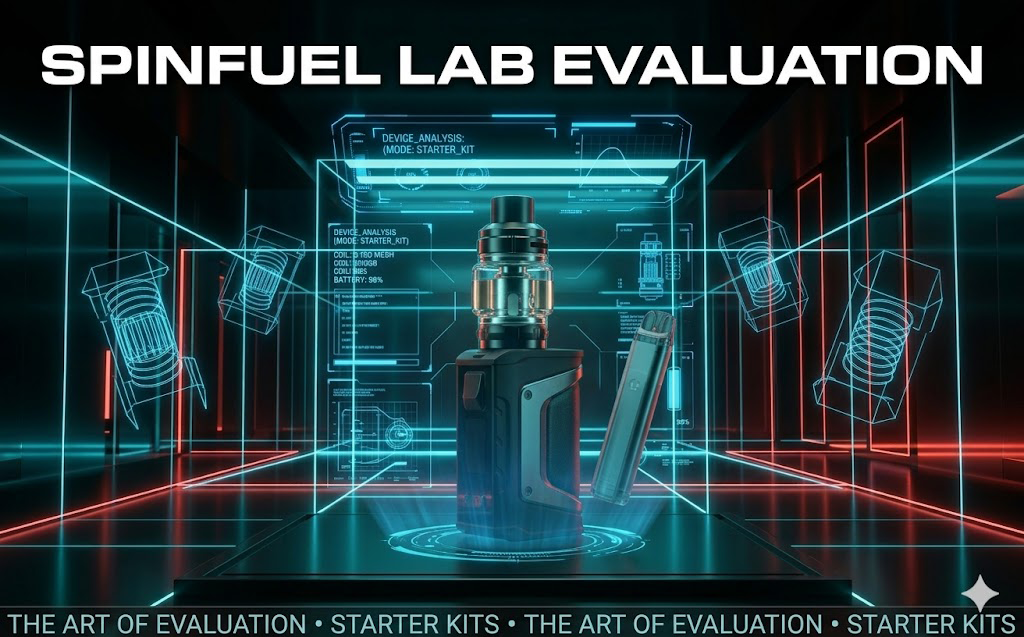
Sub-ohm mods and tanks are the optimal setup for 3mg freebase, and the reason is straightforward. These devices vaporize more e-liquid per puff than pod systems or MTL setups. At 60 to 80 watts with a mesh coil, each draw produces a dense cloud that delivers a meaningful amount of nicotine even at low concentration. The math compensates for the lower mg number through volume. Three milligrams absorbed across a large vapor draw can be as satisfying as six milligrams from a smaller, tighter draw.
This is also where the flavor argument becomes tangible. Sub-ohm devices running high-VG freebase at 3mg produce the clearest flavor expression available in vaping. The nicotine is low enough to stop interfering with the profile, the VG carries flavor compounds well, and the vapor temperature at 70 to 80 watts brings out the full character of a well-made e-liquid in a way that nothing else does. If you have been running premium juice at 12mg and wondering why it tastes slightly flat, this is almost certainly why.
Pod systems present a more nuanced picture. Open-pod systems with higher-output coils in the 25 to 35 watt range can handle 3mg freebase reasonably well, particularly if the coil is a mesh design with a larger wicking surface. Tight MTL pods at low wattage are a harder case. These devices were designed around higher nicotine concentrations. At 3mg, a classic MTL pod setup often leaves vapers unsatisfied, and the practical solution is to land at 6mg rather than trying to force 3mg through a device it was not built for.
Disposables in the low-nic range have expanded significantly. More brands now offer their devices at 3mg and 6mg, and if convenience is your priority, the selection is genuinely broader than it was two years ago. The trade-off is that low-wattage disposable hardware will not deliver the same flavor quality or nicotine impact as a sub-ohm mod at the same strength. Convenience and performance trade against each other here, as they always do.
The Step-Down Method, Without the Drama
For vapers using low nicotine as part of a deliberate reduction strategy, the step-down method is the approach with the best track record. The principle is simple: reduce nicotine concentration gradually, giving your body enough time at each level to fully adjust before moving lower. Rushing it is the most common reason step-downs fail.
A reasonable progression from 12mg freebase might look like this: two to four weeks at 12mg, then two to four weeks at 6mg, then two to four weeks at 3mg. From 3mg, some vapers find the step to 0mg manageable; others stay at 3mg indefinitely and consider that a satisfactory outcome. There is no mandate to reach zero. Staying at 3mg long-term is a legitimate end state, not a failure.
What makes step-downs succeed is having e-liquid you genuinely enjoy at each target strength. If the juice at 6mg is mediocre, you will compensate by vaping more and the reduction in nicotine intake will be minimal. If it is something you actively look forward to, the step holds. This sounds obvious and is frequently overlooked.
Stay at each nicotine level long enough to feel genuinely adjusted before moving lower. Two to four weeks is the guideline. Dropping too soon means your body never settles, and the dissatisfaction gets blamed on the lower nic rather than on the pace of the reduction.
Flavor Profiles That Perform Best at Low Nicotine
Not all flavor categories benefit equally from the drop to low nicotine, though most improve. A few worth prioritizing:
High-VG dessert and custard blends are built for sub-ohm hardware and reward the low-nic treatment most generously. The creamy, sweet richness of a well-made custard reads completely differently at 3mg than it does at 12mg. The nicotine edge that competes with sweetness at higher concentrations disappears, and the actual layered flavor of the blend comes through cleanly.
Fruit and tropical profiles are the other major beneficiary. Complex fruit blends have layers (top notes, mid notes, finish) that high nicotine concentrations flatten. At 3mg, those layers separate and become individually distinct. If you have ever bought a juice that sounded better on the label than it tasted in the tank, trying it at lower nicotine is worth the experiment before writing it off.
Menthol and ice profiles occupy a particular niche in low-nic vaping because the cooling sensation provides its own form of hit. A well-formulated menthol at 3mg delivers a physical sensation that compensates for the lower nicotine feedback, making these profiles feel more satisfying at low strengths than most others.
Bakery and candy profiles perform consistently across nicotine levels, but they are notably cleaner at 3mg. The sweetness reads as intentional rather than competitive, and the complexity of multi-note bakery blends holds up better without nicotine interference.
Low Nicotine Is Not a Compromise
The vapers who have been at 3mg for years did not get there reluctantly. Most of them hit a point where 6mg felt redundant, tried 3mg, noticed the flavor improvement immediately, and stayed. The low nicotine vaping experience in a well-matched setup, freebase at 3mg in a sub-ohm tank with quality mesh coils, is not the diminished version of something better. For flavor-forward vaping, it is the destination.
Whether you arrive here through a step-down program, a deliberate choice to reduce dependence, or a curiosity about what your e-liquid tastes like without the nicotine competing, the experience is the same. Less nicotine, better flavor, and a vaping session that rewards attention rather than demanding it.