

The legalization of marijuana and hemp products has spurred extensive research into their potential benefits, particularly concerning human health. Among the compounds in these plants, Cannabidiol (CBD) stands out as a popular natural treatment, gaining significant attention for its potential benefits across various health conditions.
CBD is particularly recognized for its potential mental health benefits. Available in various forms, including topical applications and edibles, CBD products are accessible in selected regions, subject to evolving legal regulations. Crucially, unlike Tetrahydrocannabinol (THC), CBD is not psychoactive. This means it offers potential mental health support without inducing a ‘high’ or intoxication. Below are some of the key ways CBD may contribute to mental well-being.
CBD May Regulate Mood
CBD is increasingly recognized for its potential to help regulate mood. It is being explored as a natural adjunct for individuals grappling with depression, bipolar disorder, and other emotional mood imbalances. Early studies suggest that CBD may exert effects similar to some antidepressants by interacting with serotonin receptors in the brain, which are crucial for mood regulation.
While not a standalone therapeutic cure, CBD products may serve as a complementary approach to managing mood disorders when used alongside psychotherapy and prescribed medications. Furthermore, some research suggests that Cannabidiolic Acid (CBDA), a precursor to CBD, may offer enhanced effectiveness in addressing depressive symptoms. For a deeper understanding of their distinct properties and potential benefits, explore resources comparing CBDA vs CBD.
Whether facing clinical depression or temporary feelings of sadness, grief, or frustration, CBD shows promise. It may potentially influence neurotransmitters involved in emotional regulation, possibly alleviating feelings of loneliness.
CBD Alleviates Anxiety
Anxiety, much like depression, is a pervasive mental health challenge that can profoundly impact an individual’s lifestyle and overall well-being. Seeking professional medical advice should always be the initial step upon experiencing symptoms.
While CBD serves as a complementary approach rather than a standalone cure for anxiety disorders, it may help alleviate symptoms by interacting with serotonin receptors. Appropriate dosages of CBD oils, capsules, or edibles have been reported to induce a sense of calm that can last throughout the day.
It is crucial to consult with a therapist or psychiatrist before incorporating CBD into an anxiety management plan. A healthcare professional can provide personalized guidance on appropriate dosage and usage, tailored to your specific symptoms and needs.
CBD Reduces the Stress of Everyday Life
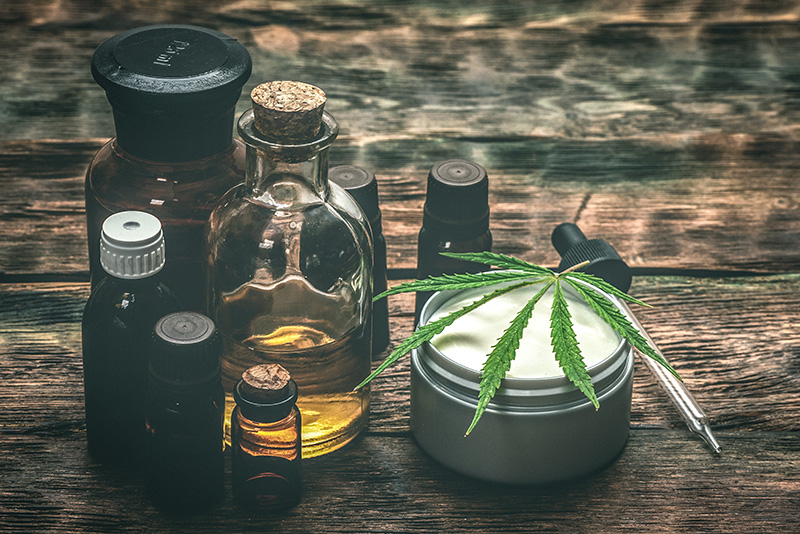
CBD’s calming properties extend to general stress reduction, fostering a sense of relaxation. If it can help soothe individuals during panic attacks, it stands to reason it could also assist with the mental and emotional pressures of daily life. Regardless of the source of stress, CBD may contribute to mental clarity and an uplifted mood.
Chronic stress is a known contributor to various health issues. Proactive management of stress can significantly lower the risk of developing these conditions. Integrating CBD edibles or infusing CBD oil into meals could be a convenient way to help mitigate daily stress.
Beyond its mood-altering potential, CBD’s purported anti-inflammatory properties may also help alleviate stress stemming from chronic physical pain. Furthermore, emerging research suggests CBD could play a role in stimulating neurogenesis (the growth of new brain cells), offering potential benefits for individuals experiencing brain damage linked to prolonged stress.
CBD Can Support Insomnia Management
Insomnia frequently co-occurs with other mental health conditions, such as anxiety and depression. Chronic sleep deprivation can profoundly impair mood, productivity, and overall cognitive function, in addition to increasing the risk for serious health issues like heart disease, diabetes, asthma, and certain cancers.
While Cannabis Indica is recognized for its ability to induce relaxation and sleep, many individuals prefer to avoid the psychoactive ‘high’ associated with it, and its legal status varies widely. CBD, conversely, offers a non-intoxicating alternative that may help individuals relax and fall asleep more naturally, free from psychoactive side effects.
For persistent insomnia, professional medical consultation is paramount. While CBD may offer supportive benefits, understanding the root causes of sleep disturbances is essential for developing an effective and personalized treatment plan. CBD can then be discussed as a potential alternative or complementary treatment option.
CBD Can Enhance Mindfulness
Meditation provides numerous benefits for holistic well-being. CBD’s reported influence on mind and mood may aid in enhancing mindfulness during daily activities. Whether managing a health condition or simply seeking a deeper sense of calm, CBD could offer supportive benefits.
Cultivating mindfulness is key to better mental health control, fostering relaxation even when facing distress. CBD’s calming attributes may support meditation and mindfulness practices by helping to quiet racing thoughts and stabilize emotional responses. This combined approach of mindfulness and CBD could also be particularly beneficial for individuals managing ADHD.
CBD Improves Cognitive Function
Mental health challenges can often impair cognitive function, leading to reduced concentration and diminished productivity. Left unaddressed, these issues can contribute to feelings of frustration, disappointment, and low self-esteem.
Preliminary evidence suggests CBD may help improve focus by minimizing internal distractions. Its calming effects could also assist in better managing responses to external stimuli that typically disrupt concentration. This potential cognitive benefit makes CBD an interesting consideration for both working professionals and students.
Conclusion
In conclusion, CBD demonstrates significant potential for supporting and improving mental health. While research is still evolving, current findings suggest it could positively impact an individual’s lifestyle and overall well-being. With thorough personal research and guidance from healthcare professionals, exploring CBD’s benefits may be a valuable consideration.
Further Reading:
CBD Products – 9 Key Considerations When Shopping For Them
Everything You Need to Know About CBD Gummies
How Effective is CBD and What is Mostly Used for?
5 Things You Should Know About Using Prescription-Free CBD Products