How Quality and Potency Matter When Choosing CBD Products
CBD products have become increasingly popular in recent years, but not all are created equal. When navigating the vast market, understanding the critical roles of quality and potency is paramount. These factors are often the key differentiators between genuine, effective products and those that merely capitalize on the trend. While distinct, quality and potency are also deeply interconnected, influencing everything from a product’s efficacy to its safety.
Defining CBD: What You Need to Know
CBD, or cannabidiol, is a prominent cannabinoid found in the cannabis plant species. It is most commonly derived from the hemp plant and often sold in the form of hemp oil.
According to Healthline, hemp is specifically defined as a cannabis plant containing 0.3 percent or less THC (tetrahydrocannabinol). Any cannabis plant with a THC content exceeding this threshold is classified as marijuana.
Unlike THC, CBD is non-impairing and lacks the psychoactive effects often associated with other cannabinoids. Both THC and CBD are chemical compounds belonging to the cannabinoid family, naturally occurring in cannabis plants.
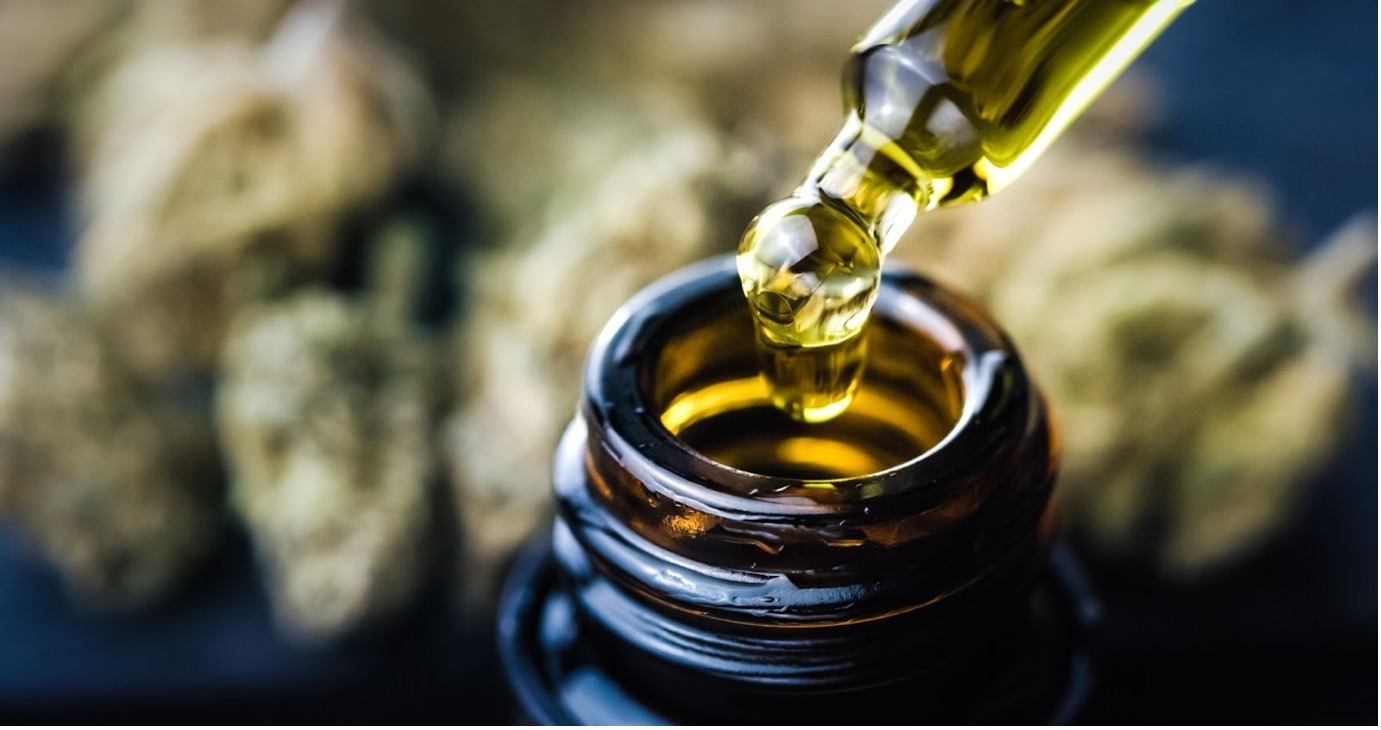
For a product to be accurately labeled as CBD oil, it must contain two essential components: cannabidiol itself and a suitable carrier oil, such as MCT oil or hemp seed oil.
The Importance of Quality in CBD Products
The quality of a CBD product is crucial because it is ultimately ingested or absorbed by both humans and pets in various ways. Whether inhaled via a vape kit, consumed through edibles, or taken sublingually with a dropper, what you put into your body directly impacts your overall health and well-being.
Just like with fruits and vegetables, the processing methods and growing conditions of hemp plants significantly affect the final product’s quality. If hemp is cultivated in nutrient-deficient soils or treated with harmful pesticides, many of CBD’s potential health benefits may be compromised or lost entirely.
Soil quality: The medium in which the hemp is grown.
Cultivation practices: Whether pesticides or herbicides are used.
Processing methods: How the CBD is extracted and refined from the hemp plant.
Ingredient purity: The quality of additional components, such as carrier oils (e.g., organic olive oil) and natural additives versus subpar alternatives.
Reputable sources suggest looking for indicators of quality, such as third-party lab verification for purity and premium grade status, and complete transparency from the manufacturer regarding their sourcing and production processes.
Understanding CBD Potency
Potency refers to the overall strength of a CBD product, distinguishing it from competitors. It directly influences a product’s therapeutic effectiveness and can also impact its cost.
The strength of CBD oil primarily depends on the concentration of cannabidiol it contains, though other elements can also play a role. Measuring potency can sometimes be confusing, as product labels might indicate the percentage of CBD, the total amount in milligrams, or specify whether it contains isolate versus distillate.
Bioavailability: Enhancing Potency and Absorption
Given that CBD is fat-soluble (and alcohol-soluble) but not water-soluble, products with good bioavailability are designed to protect CBD from degradation within the body, making it easier to absorb efficiently.
Manufacturers often highlight this trait on their packaging with terms like “TotalBio” or “full bioavailability support.” A higher bioavailability means your body can absorb more of the CBD, thus maximizing its potential effects and contributing to the product’s overall perceived potency.
Types of CBD Products Available
CBD products offer consumers a diverse range of options for integrating cannabidiol into their wellness routines:
Tinctures: Administered sublingually (under the tongue), these provide fast absorption and allow for precise dosage adjustments.
Topicals (Salves & Creams): Applied externally, these are designed to target localized discomfort in joints or muscles, often combined with other natural ingredients.
Capsules: A discreet option offering pre-measured CBD doses for controlled and consistent consumption.
CBD Oils: Versatile products that can be taken sublingually or added to food and drinks, available in various concentrations to suit individual preferences.
Gummies and Chocolates: These offer a tasty and convenient way to consume CBD, though they typically have a slower onset of effects.
Vape Products: Including pens and e-liquids, these provide a rapid onset of effects through inhalation, appealing to those familiar with vaping.
Key Considerations When Checking a CBD Product Label
When assessing a CBD product label, focus on these critical elements to ensure quality, safety, and legality:
CBD and THC Content: Verify the precise levels, ensuring the THC content is below the legal limit of 0.3%.
Third-Party Lab Testing: Look for evidence of independent lab testing, often accessible via QR codes or website links. This confirms the stated CBD and THC levels and verifies the absence of contaminants like pesticides, heavy metals, or mold.
Suggested Use and Dosage: Check for clear recommendations on how to use the product and appropriate starting dosages.
Expiration Date: Ensure the product is within its shelf life for optimal efficacy and safety.
Always consult a healthcare professional before integrating CBD into your routine. For more information on reputable manufacturers, consider resources like Hemponix.
Beyond the Label: Other Factors to Consider
CBD oils can vary significantly in color, consistency, and even flavor due to differences in their composition and processing. It’s also vital to distinguish between CBD oil and hemp seed oil, as they are not the same.
CBD Oil vs. Hemp Seed Oil
Hemp Seed Oil: Extracted solely from the seeds of the hemp plant, it contains negligible amounts of cannabinoids like CBD or THC. It is rich in omega fatty acids and often used in culinary applications or as a carrier oil.
CBD Oil: Derived from the stalks, flowers, and leaves of both cannabis and hemp plants, it contains cannabinoids, terpenes, and other beneficial compounds.
Understanding CBD Isolate
For those seeking the purest form of CBD, CBD isolate is the “cream of the crop.” This refined product is typically 99% pure cannabidiol.
Manufacturers create CBD isolate by extracting cannabidiol from various parts of the hemp plant using solvents or supercritical gases. This process yields a crystalized form of CBD, which is then often suspended in a carrier oil to achieve the desired concentration, as CBD isolate itself is not an oil.
Conclusion: Quality and Potency Matter for Informed Choices
As you can see, the world of CBD oils and products is filled with nuances. Making an informed choice requires more than just picking a product off the shelf. It is essential to delve into the label and understand precisely what you are purchasing.
Both quality and potency are critical factors to research and compare when selecting a CBD product. It’s not always easy to differentiate between brands and products without thorough research and analysis. Look beyond a single aspect like potency or the amount of cannabidiol; instead, evaluate the overall quality, including the ingredients used, the source of the hemp, and third-party testing results. Your health and well-being depend on making educated decisions.