Cannabis has become increasingly popular in the field of plant-based nutrition, with many individuals turning to its products for their versatile properties. On one hand, cannabis offers a wealth of medicinal benefits, while on the other, it serves various recreational functions. From alleviating complex psychotic syndromes to aiding skin allergies, cannabis has emerged as a new herbal alternative to traditional allopathic drugs.
Beyond its therapeutic uses, cannabis can also act as a nutritional supplement, boosting energy levels by increasing Adenosine production. Its antibacterial and antifungal properties may help combat frequent viral infections and bolster the human body’s immune system. Numerous businesses now offer cannabis for medicinal purposes, often accompanied by informative descriptions like the Herb CEO summary.
Cannabis Through the Ages: A Brief History
Cannabis is far from new to humankind. Archeological surveys suggest that early migrations and trade routes around 7000 BC led to the widespread distribution of these herbs across the globe. Since then, cannabis has played a significant role in human societies.
The plant’s importance in modern life is growing, partly due to its ease of cultivation and economic benefits. It typically involves minimal investment for high returns. As cannabis products become more affordable and offer numerous advantages, consumer interest in this versatile herb continues to rise, driving increased sales.
Understanding Cannabis Plants and Their Needs
Cannabis is a flowering herb native to Central and Southern Asia, belonging to the Cannabaceae family, which also includes notable varieties like Cannabis Sativa, Cannabis Indica, and Cannabis Ruderalis.
Historically, these herbs were known for their psychoactive features, but over time, their contributions to the medicinal sector have gained recognition. Like all other plants, cannabis goes through distinct stages: germination, seedling, vegetation, pre-flowering, flowering, and harvesting. This entire cycle typically spans anywhere from 4 to 8 months, with cannabis thriving densely in tropical climates.
These evergreen plants require sufficient sunlight, more than 200 cm of rainfall, and humidity around 60% RH. They are rich in water content and flourish in temperatures between 24 degrees C to 30 degrees C. Cultivators often emphasize the need for nitrogen-fixing fertilizers to ensure the absorption of essential nutrients.
The extracts of these herbs are excellent for therapeutic usage. They help relieve stress, combat insomnia, keep psychotic issues in check, and improve adverse nervous syndromes. Experts claim that the enzymes within these extracts influence nerve functions by interacting with the human body’s endocannabinoid system, thereby influencing sensory receptor activity.
In recent decades, producers have reported a significant increase in demand for these herbal extracts. They can help mitigate symptoms of panic attacks and promote a feeling of relaxation. Controversies sometimes arise regarding whether herbal extracts can cause intoxicating effects on the body. However, surveys claim they are neither addictive nor intoxicating. Any feeling of dizziness often arises from nervous relaxation, and they are not known to cause severe side effects.
The Challenge of Nutrient Deficiencies in Cannabis
Recent research highlights the aspect of nutrient deficiencies in cannabis. These deficiencies can stem from poor nutrient absorption by the plants or significant environmental changes. While experts suggest frequent pruning can help maintain healthy plant growth, cannabis leaves often show early signs of decay when nutrients are lacking.
The nutrient deficiency in plants becomes quite challenging if not controlled in the initial stages. A decrease in essential micronutrients and macronutrients can cause a change in the plant’s pH levels, and an imbalanced pH can lead to unusual decaying of leaves. In many plants, including cannabis, a lack of sufficient copper, calcium, iron, magnesium, and nitrogen can slow down the absorption of nutrients from the soil. The primary nutrients this herb requires are nitrogen, phosphorus, and potassium.
Identifying Signs of Nutrient Deficiency
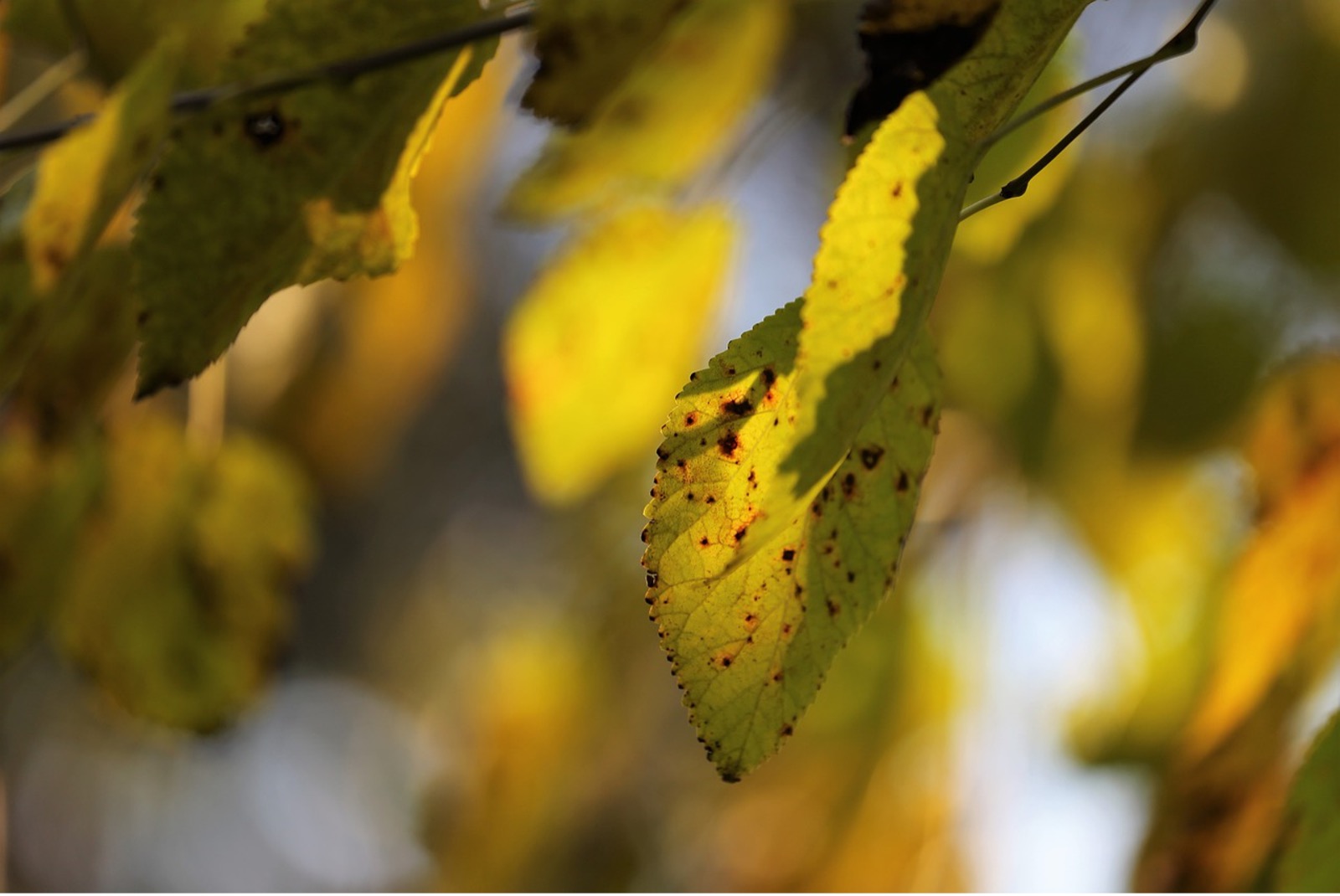
Keeping a close watch on the color of cannabis leaves can help prevent saplings from dying. A slight yellow color of the leaves often points out early signs of decay due to nutrient deficiencies. Often, the leaves can also dry out and turn blackish.
The roots of cannabis play an active role in nutrient uptake. An imbalance in nutrient absorption can severely harm leaf growth. If roots absorb too few nutrients, essential compounds will not reach the entire plant. Conversely, if a plant absorbs excess nutrients, these essential nutrients can cancel each other out, leading to further issues. A detailed analysis of how to control the nutritional deficiency of this herb will provide a broader insight into its maintenance.
The problem of flower bugs is also a genuine concern among cultivators. These bugs eat up leaves and buds, preventing the plant from maturing and growing leafy. While cultivators use pesticides to deter bugs, using excess chemical fertilizers in this context may paradoxically cause the roots to absorb fewer nutrients, exacerbating deficiency issues.
Common Cannabis Nutrient Deficiencies and How to Identify Them
The Cannabis Sativa species, among others, can experience several nutritional deficiencies, including:
Nitrogen Deficiency
One of the most common deficiencies in cannabis is the lack of nitrogen and nitrogen-fixing bacteria. Experts claim that the early drying and yellowish discoloration of leaves are clear indicators of nitrogen deficiency. This issue can be managed by adding nitrogen-rich herbal fertilizers. Many cultivators also improve soil health by introducing nitrogen-fixing bacteria into the root zone.
Magnesium Deficiency
Magnesium content is crucial during the flowering stage. A significant lack of magnesium can restrict the budding of flowers in cannabis plants. An easy and available alternative to address this is the use of Epsom salt.
Phosphorus Deficiency
Phosphorus content directly influences the size of buds and flowers. In plants lacking sufficient phosphorus, the edges of the leaves often turn black and dry. To prevent the early loss of leaves and buds, cultivators can use sprays and fertilizers that contain natural phosphorus. These products are readily available and typically not expensive.
Calcium Deficiency
Calcium deficiency leads to the sudden curling of leaves. Specialized calcium solutions are available as sprays to prevent and treat these problems effectively.
Boron Deficiency
Boron deficiency can lead to purple patches and abnormal growths on the plant. To ensure proper absorption of boron in plants, the pH balance of the growing medium must be maintained between 6 and 7.
In Short
Understanding and addressing nutrient deficiencies in cannabis plants is vital for their healthy growth and the success of cultivation efforts. Herbal extracts of cannabis play a crucial role in human well-being, with their nutrients directly influencing the human body through consumption. Decaying cannabis due to nutritional deficiencies can significantly harm capital investments and reduce market demand for herbal products, negatively impacting consumer interest.
Implementing a proper strategy to keep nutritional content in check will ensure the healthy development of plants and safeguard the future of cannabis cultivation.