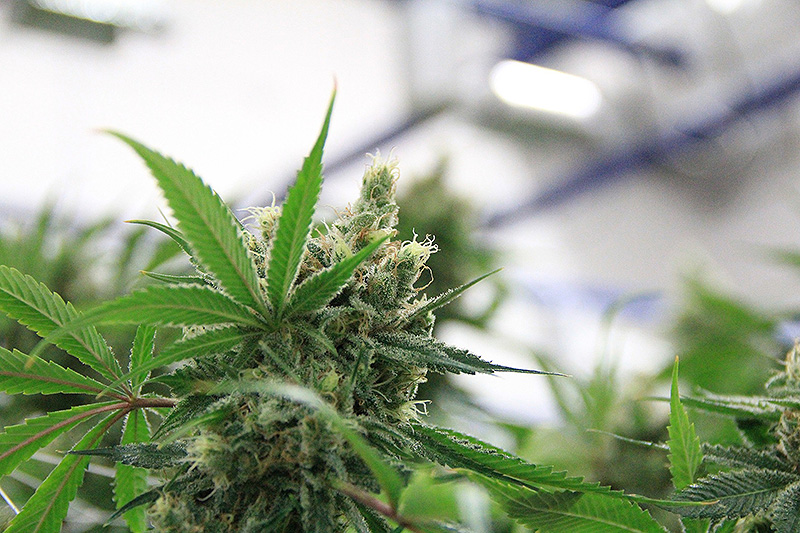
The potential of cannabis strains for inflammation relief is gaining significant recognition. Whether you are an experienced cannabis user or new to exploring its therapeutic applications, this article offers valuable insights into how specific cannabis strains can help mitigate inflammation in the body. Inflammation underpins numerous health conditions, such as chronic pain, arthritis, and autoimmune disorders.
A deeper understanding of cannabis’s interaction with the endocannabinoid system illuminates its growing prominence as a natural alternative for symptom management. We will explore the efficacy of both sativa and indica strains in addressing inflammation.
Understanding the Endocannabinoid System and its Role in Inflammation
The Endocannabinoid System (ECS) is a intricate network of receptors and neurotransmitters distributed throughout the human body. It is instrumental in maintaining physiological balance and homeostasis, which includes the regulation of inflammatory processes.
Upon the onset of inflammation, the ECS activates to help mitigate its effects. The primary receptors involved are CB1 and CB2. CB1 receptors are predominantly located in the brain and central nervous system, whereas CB2 receptors are primarily found within immune cells. When stimulated by cannabinoids such as THC or CBD, these receptors can modulate immune responses and reduce inflammation. This mechanism highlights cannabis’s potential as a therapeutic option for conditions characterized by chronic inflammation.
Beyond cannabinoid receptor activation, cannabis also engages with other systems involved in inflammation regulation, including the TRPV1 receptor and various cytokines. By influencing these intricate pathways, specific cannabis strains can further contribute to diminishing inflammatory responses.
Grasping the operational framework of the ECS offers critical insights into how cannabis can be effectively utilized for inflammation relief. Continued research is essential to fully unveil its comprehensive benefits and optimize its application across diverse inflammatory conditions.
Benefits of Cannabis for Inflammation Relief:
In recent years, cannabis has garnered considerable attention for its potential in mitigating inflammation. Research indicates that the cannabinoids present in cannabis possess anti-inflammatory properties that can help alleviate symptoms associated with various inflammatory conditions.
Cannabidiol (CBD) is a pivotal component of cannabis, recognized for its potent anti-inflammatory effects. CBD interacts with the body’s endocannabinoid system, a sophisticated network responsible for regulating numerous physiological processes, including inflammation.
Tetrahydrocannabinol (THC), another significant cannabinoid, is primarily known for its psychoactive effects but also exhibits anti-inflammatory properties. It is important to acknowledge that elevated THC levels may induce undesirable side effects such as anxiety or intoxication.
Cannabis strains are characterized by diverse CBD to THC ratios, enabling individuals to select a strain tailored to their specific therapeutic requirements. Sativa-dominant strains are often favored for daytime application due to their uplifting and energizing profiles. Conversely, indica-dominant strains are frequently chosen for nighttime use, given their relaxing and sedating attributes.
Consulting with a healthcare professional or an informed budtender is crucial when choosing a strain for inflammation relief. They can recommend strains with higher CBD and lower THC concentrations if the objective is purely therapeutic benefits without psychoactive effects.
Beyond traditional methods like smoking or vaping cannabis flowers, alternative delivery systems exist, such as topical creams or oils infused with cannabinoids. These topicals offer localized relief by delivering cannabinoids directly to inflamed areas of the skin.
While research into cannabis’s efficacy for inflammation treatment is ongoing and individual outcomes may vary, many users report favorable experiences with this natural remedy. It is imperative to remember that individual responses to cannabis differ, necessitating a cautious approach: begin with low doses and gradually increase as tolerated to find the optimal dosage for your individual needs.
Different Types of Cannabis Strains for Inflammation Relief
Cannabis strains can be instrumental in addressing inflammation, with their robust anti-inflammatory properties attracting significant interest as a natural option for managing inflammatory conditions.
Sativa strains are recognized for their stimulating and energizing effects. These strains typically feature higher levels of THC, the psychoactive compound in cannabis, which can mitigate pain by reducing inflammation. Additionally, specific terpenes found in sativa strains contribute to their anti-inflammatory profiles.
Conversely, Indica strains are acclaimed for their calming and sedating qualities. These strains generally contain higher concentrations of CBD, the non-psychoactive cannabinoid celebrated for its potential anti-inflammatory benefits. CBD engages with the body’s endocannabinoid system to help alleviate inflammation and foster overall well-being.
Hybrid strains combine attributes from both Sativa and Indica varieties, offering a balanced effect that can provide simultaneous pain relief and relaxation. This makes them a favored choice for individuals seeking comprehensive inflammation management.
It is crucial to acknowledge that individual biochemistry varies, meaning a strain effective for one person may not yield the same results for another. Identifying the ideal strain for optimal inflammation relief often requires a process of trial and error.
Beyond strain categorization, exploring diverse delivery methods is advisable, including smoking or vaporizing dried flower, or consuming edibles or tinctures infused with cannabinoids like THC or CBD. Through careful experimentation with various strain types and consumption methods, ideally under medical guidance, individuals experiencing chronic inflammation may achieve substantial relief without exclusive reliance on conventional pharmaceuticals.
How to Choose the Right Strain for Your Needs
Selecting the appropriate cannabis strain for inflammation relief involves considering several key factors. Primarily, individuals should decide between Sativa or Indica-dominant strains.
Sativa strains are renowned for their energizing and uplifting characteristics, making them suitable for daytime use when maintaining focus and alertness is essential while managing inflammation. Conversely, Indica strains typically exhibit more sedating properties, making them ideal for evening or nighttime use where relaxation and profound pain relief are desired.
Secondly, examine the cannabinoid profile of each strain. CBD is extensively recognized for its anti-inflammatory efficacy, suggesting that strains with higher CBD concentrations may be particularly effective in reducing inflammation.
Furthermore, consider the terpene profile inherent in different strains. Terpenes are aromatic compounds in cannabis that not only define its unique scent but also contribute to its therapeutic effects. Certain terpenes, such as beta-caryophyllene, have demonstrated notable anti-inflammatory properties.
The process of identifying the most effective strain may involve some experimentation. It is crucial to observe your body’s reactions and assess how various strains influence your well-being. By exploring different Sativa and Indica varieties, and evaluating their cannabinoid and terpene compositions, you can discover a strain that delivers optimal, personalized inflammation relief.
Other Methods for Using Cannabis for Inflammation Relief
Beyond traditional smoking or vaping, various alternative methods can effectively harness cannabis’s anti-inflammatory properties.
One widely adopted option is the consumption of cannabinoid-infused edibles, available as gummies, chocolates, or beverages. Edibles provide a discreet and prolonged therapeutic effect, eliminating the need for inhalation.
Topical creams or salves infused with CBD or THC represent another method. These products can be applied directly to inflamed skin areas, offering localized relief without psychoactive effects, as cannabinoids are absorbed through the skin rather than entering the bloodstream in significant quantities.
For a more targeted approach, sublingual tinctures are an excellent choice. These liquid extracts are administered under the tongue, where capillaries facilitate rapid absorption into the bloodstream, leading to a quicker onset of relief compared to edibles.
Transdermal patches offer sustained cannabinoid delivery over an extended period. Adhering to the skin, these patches provide continuous relief throughout the day, reducing the need for frequent reapplication.
It is crucial to recognize that individual physiological responses to various cannabis consumption methods can differ. Identifying the most effective method for inflammation relief often involves experimentation and a process of trial and error.
Always consult with a healthcare professional before integrating cannabis into your health regimen, especially if you have pre-existing medical conditions or are taking medications that may interact with cannabinoids.
By exploring these diverse methods of cannabis consumption, individuals can discover effective new strategies for managing inflammation symptoms while potentially mitigating risks associated with traditional smoking.
Possible Risks and Precautions
While cannabis offers potential relief for inflammation, it is imperative to acknowledge and address associated risks and necessary precautions. Individual responses to cannabis strains can vary significantly, meaning a regimen effective for one person may not be for another. It is consistently advisable to commence with low doses and incrementally adjust as required.
A potential risk associated with cannabis use is the development of dependency or addiction. Some individuals might become reliant on cannabis to manage their inflammatory symptoms. To mitigate this, cannabis use is best integrated into a holistic health strategy that incorporates lifestyle adjustments, such as regular exercise and dietary modifications.
Another vital consideration involves the psychoactive effects of certain strains. Sativa strains, often rich in tetrahydrocannabinol (THC), produce the “high” sensation. This can be disadvantageous for individuals requiring pain relief while needing to maintain daytime functionality. In such scenarios, CBD-dominant strains or hybrids with balanced THC:CBD ratios may be more appropriate.
Furthermore, sourcing cannabis from reputable suppliers is crucial to guarantee product quality and safety. Contaminated products can present health hazards and potentially exacerbate inflammatory symptoms.
Consulting a healthcare professional about your intent to use cannabis for inflammation relief is highly recommended. They can offer personalized guidance, monitor potential side effects, and assess any interactions with other medications you may be taking.
By understanding these potential risks and implementing appropriate precautions, individuals can safely integrate cannabis into their regimen for effective inflammation relief without compromising their overall health and well-being.
Conclusion
Cannabis strains demonstrate considerable promise in offering relief for inflammation. Through its intricate interaction with the endocannabinoid system and its capacity to modulate immune responses, cannabis can effectively diminish swelling, pain, and other symptoms characteristic of inflammation.
Distinct cannabis strains present unique combinations of cannabinoids and terpenes, which collectively contribute to their specific anti-inflammatory effects. Sativa strains often provide energizing and uplifting sensations, whereas indica strains possess more sedating qualities. Both categories can be beneficial, contingent upon individual requirements.
When selecting a cannabis strain for inflammation relief, critical factors include the cannabinoid profile and terpene composition. High-CBD strains, such as Harlequin or ACDC, may effectively reduce inflammation without inducing psychoactive effects. Conversely, THC-dominant strains like OG Kush or Blue Dream can offer more potent pain-relieving properties.
Beyond traditional methods like smoking or vaping cannabis flowers, alternative delivery methods such as topical applications or edibles can provide targeted relief for localized inflammation.
It is paramount to consult with a healthcare professional before integrating cannabis into your treatment plan. They can assess its suitability based on your medical history, existing conditions, and any concurrent medications. While cannabis exhibits numerous benefits for inflammation management, it is crucial to acknowledge that individual responses vary.
Commencing with low doses and incrementally increasing as necessary, under medical supervision, is consistently recommended. When utilized responsibly and with appropriate guidance, diverse cannabis strains hold significant potential as a natural option for alleviating inflammation-related symptoms. As scientific research continues to deepen our understanding of this plant’s therapeutic capabilities, further advancements are anticipated in tailoring cannabis strains specifically for chronic inflammatory conditions.