

Over the last decade, vaping has emerged as a prominent alternative to traditional cigarettes. Within the diverse landscape of vaping devices, two primary categories stand out: disposable vapes and refillable pod systems. Disposable devices are compact, affordable, and designed for single-use, discarded once their e-liquid or battery is depleted. In contrast, refillable pod systems feature reusable batteries and replaceable pods that can be refilled with e-liquid multiple times. Both formats offer distinct advantages and disadvantages. This article provides a comprehensive comparison to help you determine which vaping solution best suits your preferences and lifestyle.
Convenience
One of the most compelling benefits of top disposable vapes is their unparalleled convenience. Disposables are ready to use straight out of the box—simply unpackage and begin vaping. There’s no need for charging, refilling, or maintenance. Once the battery is depleted or the e-liquid runs out, the device is simply discarded and replaced. Their often compact size allows for ultimate portability, making them ideal for vaping on the go.
Conversely, refillable pod vapes demand a slightly more involved process. Users must purchase e-liquid, fill the pods, replace coils or pods periodically, and recharge the battery. However, this initial effort provides greater customization and long-term economic benefits due to reusable components. While not as instantly convenient as disposables, refillable pod systems typically deliver a more tailored and satisfying vaping experience once set up.
Cost
Disposable vapes initially appear to have a price advantage. A single disposable device typically costs between $10-$15, offering approximately 300-500 puffs. This equates to an estimated cost of 3-5 cents per puff. Refillable pod system starter kits, on the other hand, range from $20-$50 for the device and charger. Users then incur ongoing costs for replacement pods ($10-$20 for approximately 200 puffs per pod) and e-liquid ($10-$20 per bottle). Factoring in these elements, the per-puff cost for a refillable system generally falls around 5-10 cents—potentially double that of disposables.
Despite the higher upfront investment, refillable pod systems prove more economical in the long run. The battery and charging components of a refillable kit can last for years with proper care, offering significant reusable value. Disposables provide no such long-term value, requiring continuous repurchase of entirely new units. Consequently, after roughly 2-3 months of consistent use, a refillable pod system typically becomes more cost-effective than repeatedly buying disposables.
Flavor
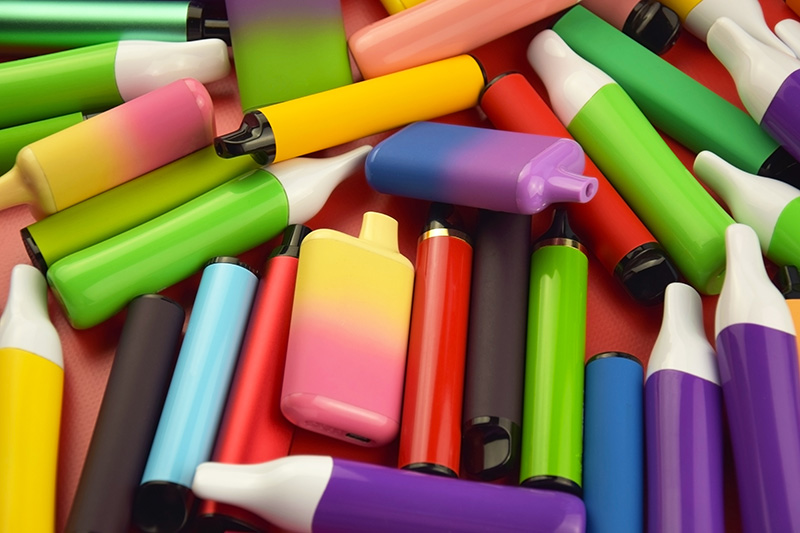
Disposable vapes offer a broad array of pre-selected flavors. Popular choices include various fruit blends, cool mint, mango, lemonade, strawberry, traditional tobacco, and menthol. Each disposable unit delivers a consistent flavor profile throughout its lifespan, often characterized by a sweeter taste.
Refillable pod systems, however, unlock a vast universe of e-liquid flavors, with thousands of options available from numerous brands. Users can refill the same pod with different flavors, offering immense flexibility and control over their vaping experience. Pod devices are compatible with both freebase nicotine and nicotine salt e-liquids, allowing for further customization: nic salts provide a smoother throat hit, while freebase e-liquids often produce larger vapor clouds. Overall, refillable pods provide unparalleled versatility in flavor selection and experience.
Battery Life
A notable limitation of disposable vapes is their restricted battery capacity. The small integrated batteries are designed to last only for 300-500 puffs, at which point they cease to hold a charge. Heavy vapers might deplete a disposable battery in less than a day, leading to frequent replacements and escalating costs, as the battery cannot be recharged.
In contrast, refillable pod vapes offer significantly superior battery longevity. A fully charged pod system battery can easily last over a day of moderate use before requiring a recharge. Their USB-rechargeable design ensures the battery can be reused for many months or even years, providing substantially more vaping time per device compared to a disposable unit.
While disposable batteries have shorter lifespans, their capacity is generally sufficient for light to moderate vapers, contributing to the device’s optimal portability in a tiny, lightweight form factor. For heavy vapers, however, the extended battery performance of a refillable pod system is a distinct advantage.
Strength Options
Most disposable vape devices typically come pre-filled with 50mg nicotine salt e-liquid. This high nicotine concentration delivers a satisfying throat hit that closely mimics the experience of smoking traditional cigarettes, making it ideal for those transitioning from smoking to vaping. However, this fixed strength offers little flexibility for users with different nicotine needs.
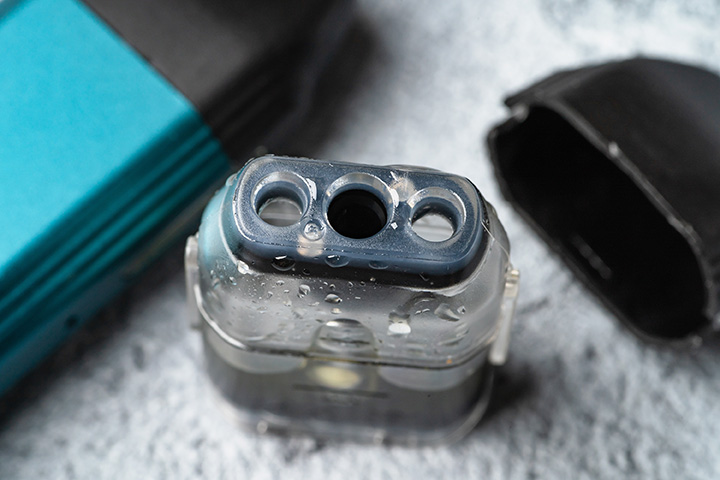
Refillable pod systems provide extensive control over nicotine strength. Users can select e-liquids in various increments, such as 3mg, 5mg, 20mg, 30mg, or higher. This flexibility allows individuals to find their perfect nicotine level and gradually reduce their intake over time as they wean off smoking. More experienced vapers might prefer lower strength e-liquids to achieve larger vapor production. Ultimately, refillable pods offer comprehensive control over nicotine strength, a feature largely absent in disposables.
Smoke-Like Experience
For cigarette smokers seeking to transition to vaping, disposable vapes often deliver a remarkably similar experience. Their compact size and familiar feel can resemble a traditional cigarette. The 50mg nic salt e-liquid provides a potent throat hit and nicotine satisfaction. Furthermore, cool mint and tobacco flavors specifically cater to mimicking the taste of cigarettes, making the disposable format highly accessible for ex-smokers.
Refillable pod vapes can also effectively satisfy former smokers with the appropriate setup. Devices like the JUUL utilize high-strength nic salts and a tight draw to closely emulate the sensation of smoking. The vast selection of e-liquid flavors further allows users to discover their ideal vape taste. However, the slightly larger size of a typical pod system battery might feel unfamiliar initially to smokers accustomed to slim cigarettes.
Stealthiness
Disposable vapes excel in stealth vaping due to their incredibly compact dimensions, allowing them to be easily palmed and used discreetly without drawing attention in public. These lightweight devices produce minimal vapor, enhancing their inconspicuous nature. The absence of maintenance or refilling requirements while out and about further contributes to their stealth. Users can simply discard a finished device and activate a new one later.
Refillable pods are generally less stealthy, often featuring a larger, rectangular form factor that can resemble a flash drive. Refilling e-liquid may also prove challenging or inconvenient outside the home. Nonetheless, many well-designed pod mods, such as the JUUL or Suorin Air, still offer relatively low-profile use and discreet vapor production, though disposables typically maintain an edge in ultimate stealth and subtle vaping.
Safety
A potential concern with disposable vapes lies in their often unregulated manufacturing processes. Many disposables are mass-produced cheaply in factories with minimal oversight. This lack of regulation can introduce risks of harmful contaminants, such as heavy metals or solvents, in the e-liquid, particularly from lesser-known brands.
Refillable pod systems offer two significant safety advantages. Firstly, users have control over the e-liquid used in their pods, rather than relying on pre-filled disposables. Sourcing reputable, high-quality e-liquid—especially from American or European manufacturers—minimizes the risk of contaminants. Secondly, regulated pod mods often incorporate advanced chipset protections designed to prevent battery issues like overheating, short circuits, or fires, safeguards that are less likely to be present in disposable batteries. Overall, regulated pod systems generally provide a more secure vaping experience.
Customization
A significant drawback of disposable vapes is their inherent lack of customization. Users are confined to the specific design, battery life, flavor, and nicotine strength offered by a particular model. There are no user-adjustable settings for airflow, temperature, or variable wattage. The experience is essentially “what you see is what you get.”
In stark contrast, refillable pod mods provide numerous avenues to personalize the vaping experience. Users can select their preferred flavors, nicotine strength, vapor production levels, and throat hit. More advanced vapers can fine-tune settings like temperature control for an optimized vape. The ability to choose different pod types also allows for experimentation with features like variable wattage. This extensive customizability ensures that vaping with a pod system can be uniquely tailored to individual preferences.
Waste
One critical environmental consideration is the substantial plastic waste generated by disposable vapes. Each unit comprises a lithium battery and plastic casing that is discarded after a single use cycle. Improper disposal of millions of these units annually can lead to leaching of toxins into landfills, resulting in a considerable ecological footprint.
While not entirely waste-free, refillable pod systems significantly reduce trash compared to disposables. The main pod battery and chassis can be reused for years with proper maintenance. Only the plastic pods themselves are typically discarded after an average of about a month of use. Furthermore, purchasing e-liquid in larger bottles further diminishes waste associated with single-use components. For environmentally conscious vapers, reusable pods represent a far more sustainable choice.
Final Verdict: Which Is Better?
Deciding between a disposable vape and a refillable pod system ultimately depends on individual needs and priorities. Here are summarized recommendations to help guide your choice:
Disposable Vapes Are Better For:
- Complete beginners new to vaping
- Those seeking ultra-convenient, hassle-free vaping
- Individuals prioritizing the cheapest upfront cost
- Users desiring a portable, pocket-friendly device
- Stealth vaping in public settings
- Ex-smokers requiring a high 50mg nicotine salt hit
Refillable Pod Vapes Are Better For:
- Vapers desiring extensive customization options
- Those looking for long-term savings on e-liquid and pods
- Heavy vapers who need extended battery life
- Users who need to adjust nicotine strength
- Individuals seeking more flavor choices and versatility
- Advanced vape customization and fine-tuning
- Environmentally conscious vapers seeking reduced waste
There is no definitive “winner” in the debate between disposable and refillable vape formats; each offers unique advantages. Disposables provide maximum simplicity in a cigarette-like form factor, ideal for quick adoption. However, reusable pod systems deliver superior customizability, extended battery life, and greater long-term affordability. Ultimately, your choice should align with your personal vaping habits, preferences, and budget. Regardless of the chosen device, making the switch to vaping is generally considered a healthier alternative to smoking.