In the evolving landscape of cannabis and its derivatives, new products consistently emerge, offering unique experiences and potential therapeutic benefits. Among these, THCA isolate diamonds have captured significant attention. Known for their purity and potency, these crystalline structures represent a concentrated form of tetrahydrocannabinolic acid (THCA), the non-intoxicating precursor to Delta-9 THC.
While often celebrated for their recreational appeal when decarboxylated into THC, the spotlight is increasingly turning to THCA’s inherent properties, especially its potential in managing various health conditions, particularly pain. This article delves into what THCA isolate diamonds are, how they’re made, their potential benefits, and how they can be used to manage pain and more, all while considering their legal standing.
What Exactly Are THCA Isolate Diamonds?
What is THCA?
THCA stands for tetrahydrocannabinolic acid. It is one of the most abundant cannabinoids found in raw and live cannabis plants. Unlike Delta-9 THC, which is famous for its psychoactive effects, THCA is non-intoxicating. This means consuming raw cannabis or THCA isolate will not produce the “high” associated with marijuana.
The transformation from THCA to psychoactive THC occurs through a process called decarboxylation. This process involves applying heat, whether through smoking, vaporizing, or baking. When cannabis is heated, a carboxyl group is removed from the THCA molecule, converting it into Delta-9 THC.
What are THCA Isolate Diamonds?
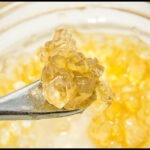
THCA isolate diamonds are highly purified forms of THCA, appearing as crystalline structures that resemble tiny diamonds. They are essentially THCA in its most concentrated form, often reaching purity levels of 95% or more. This makes them one of the most potent cannabis products available.
Because they are isolates, they primarily contain THCA with minimal other cannabinoids, terpenes, or plant matter. This offers a very clean and specific cannabinoid experience.
How Are THCA Isolate Diamonds Made?
The creation of THCA isolate diamonds is a complex process that requires specialized equipment and expertise. It typically involves several stages of extraction and refinement:
Initial Extraction: Cannabis plant material is first subjected to an extraction process, often using solvents like ethanol or hydrocarbons (e.g., butane, propane) to separate cannabinoids and terpenes from the plant matter.
Winterization: The crude extract then undergoes winterization, a process where it is mixed with alcohol and frozen. This helps to separate undesirable compounds like fats, waxes, and lipids.
Decarboxylation Prevention: Throughout the entire process, careful measures are taken to prevent decarboxylation, ensuring that THCA remains in its acidic, non-intoxicating form. This usually involves maintaining low temperatures.
Chromatography: Advanced purification techniques, such as chromatography (e.g., flash chromatography or preparative HPLC), are used to isolate THCA from other cannabinoids and compounds. This step is crucial for achieving high purity levels.
Crystallization: The purified THCA is then dissolved in a solvent and allowed to slowly evaporate under controlled conditions. This slow evaporation facilitates the formation of THCA crystals, which grow into the “diamonds.”
Purging: Finally, the THCA diamonds are purged of any residual solvents through vacuum ovens, ensuring a pure and safe product.
Potential Benefits of THCA Isolate Diamonds
While research on THCA is still in its early stages, preliminary studies and anecdotal evidence suggest a range of potential therapeutic benefits, especially when THCA is consumed in its raw, non-decarboxylated form. These benefits are largely attributed to THCA’s interaction with the body’s endocannabinoid system (ECS) without causing psychoactive effects.
Analgesic (Pain Relief)
One of the most promising applications of THCA is in pain management. Many users report significant relief from various types of pain, including chronic pain, neuropathic pain, and inflammatory pain. THCA is thought to interact with pain receptors and pathways in a way that reduces pain sensation without the intoxicating effects of THC. This makes it an attractive option for those who need pain relief but wish to remain clear-headed.
Anti-Inflammatory
Inflammation is a root cause of many diseases and pain conditions. THCA has demonstrated potent anti-inflammatory properties in preclinical studies. By reducing inflammation, THCA could potentially alleviate symptoms associated with conditions like arthritis, irritable bowel disease (IBD), and other inflammatory disorders.
Neuroprotective
Emerging research suggests that THCA may possess neuroprotective qualities. This means it could help protect brain cells from damage and degeneration. This potential benefit could be significant for individuals suffering from neurodegenerative diseases like Parkinson’s disease, Alzheimer’s disease, and multiple sclerosis, though more research is needed.
Anti-Emetic
THCA has also shown promise as an anti-emetic, meaning it can help reduce nausea and vomiting. This could be particularly beneficial for patients undergoing chemotherapy or those who suffer from chronic nausea due to other medical conditions.
How to Use THCA Isolate Diamonds
The method of consumption for THCA isolate diamonds largely depends on whether you want to experience the non-intoxicating benefits of THCA or the psychoactive effects of THC.
Dabbing
This is the most common method for consuming THCA isolate diamonds, especially if you want to experience the psychoactive effects of THC. Dabbing involves heating a “nail” (a surface on a dab rig) to a high temperature and then applying the THCA diamond to it. The high heat instantly decarboxylates the THCA into THC, producing a potent and immediate effect. This method is not recommended for beginners due to its intensity.
Vaporizing
Vaporizing THCA diamonds at lower temperatures (below the decarboxylation point) can allow users to experience the benefits of THCA without converting it entirely to THC. This method requires a specialized vaporizer capable of precise temperature control. If vaporized at temperatures above 350°F (175°C), it will decarboxylate into THC, providing psychoactive effects.
Adding to Flower or Edibles
THCA diamonds can be crushed and sprinkled onto cannabis flower before smoking or vaporizing. This will lead to decarboxylation and enhance the THC potency. Alternatively, they can be incorporated into edibles. For edibles, it’s crucial to decarboxylate the THCA by heating it in an oven at a low temperature (e.g., 220-240°F or 104-115°C) for 30-45 minutes before mixing it into your recipe if you desire psychoactive effects. If you want to maintain the THCA properties in edibles, you would add it raw, but its bioavailability might be reduced.
Potential Side Effects and Considerations
While THCA is generally well-tolerated, especially in its non-decarboxylated form, there are still considerations to keep in mind:
Potency: When decarboxylated, THCA diamonds deliver a very high dose of THC, which can be overwhelming for some users, leading to anxiety, paranoia, or increased heart rate.
Purity: Ensure you source THCA diamonds from reputable manufacturers who provide third-party lab testing. This confirms the product’s purity, potency, and absence of harmful contaminants like residual solvents or pesticides.
Dosage: Start with a very small amount, especially if you are new to concentrates or if you plan to decarboxylate it. Titrate your dose slowly to understand your tolerance and desired effects.
Legality: The legal status of THCA can be complex and varies by region. Always check local laws before purchasing or consuming THCA products.
The Legal Status of THCA
The legal status of THCA is a gray area in many jurisdictions. Under federal law in the United States, cannabis with a Delta-9 THC concentration exceeding 0.3% on a dry weight basis is considered federally illegal. However, THCA itself is not Delta-9 THC. It only converts to Delta-9 THC upon heating (decarboxylation).
Some states interpret “total THC” to include THCA that could potentially be converted to THC, making products with high THCA levels illegal. Other states only consider the Delta-9 THC content in the raw product. This discrepancy creates a challenging legal landscape. Consumers should always verify the specific laws in their state or region regarding THCA products before purchasing.
Conclusion
THCA isolate diamonds represent a fascinating and potent frontier in the world of cannabis concentrates. Offering a pure, non-intoxicating experience in their raw form, they hold significant promise for therapeutic applications, particularly in managing pain, inflammation, and nausea, and potentially offering neuroprotective benefits.
However, their transformation into highly potent THC upon heating also makes them a powerful recreational option. As with any potent cannabis product, understanding their nature, responsible use, and legal implications is paramount. With ongoing research, THCA diamonds are poised to play an increasingly important role in both medical and recreational cannabis markets.