`
Is Kratom Dangerous or is this Just More Governmen - Spinfuel SpinfuelIs Kratom Dangerous or is this Just More Governmen - Spinfuel
Is Kratom Dangerous or is this Just More Governmen
By Spinfuel Editorial • Nashua, NH • March 24, 2026
Are you familiar with Kratom? If not, prepare to enter a world shrouded in controversy and fervent debate. Kratom, a tropical tree native to Southeast Asia, has garnered significant attention in recent years for both its potential benefits and its perceived risks.
This unique botanical substance has been utilized for centuries by indigenous communities for various purposes, but today finds itself at the epicenter of a heated discussion surrounding government regulations and proposed bans.
Is Kratom truly dangerous, or is this just another instance of governmental overreach? Join us as we explore the fascinating history of Kratom, examine its potential side effects, and delve into the ongoing debate about its true nature. Get ready to uncover the truth behind this enigmatic plant.
What exactly is Kratom? Let’s delve into the fundamentals. Scientifically known as Mitragyna speciosa, Kratom is a tropical evergreen tree belonging to the coffee family, primarily found in regions such as Thailand, Malaysia, Indonesia, and Papua New Guinea.
The leaves of this plant contain active compounds called alkaloids that interact with receptors in our brains. The two primary alkaloids identified in Kratom are mitragynine and 7-hydroxymitragynine.
These alkaloids are believed to produce both stimulant and sedative effects, depending on the dosage consumed.
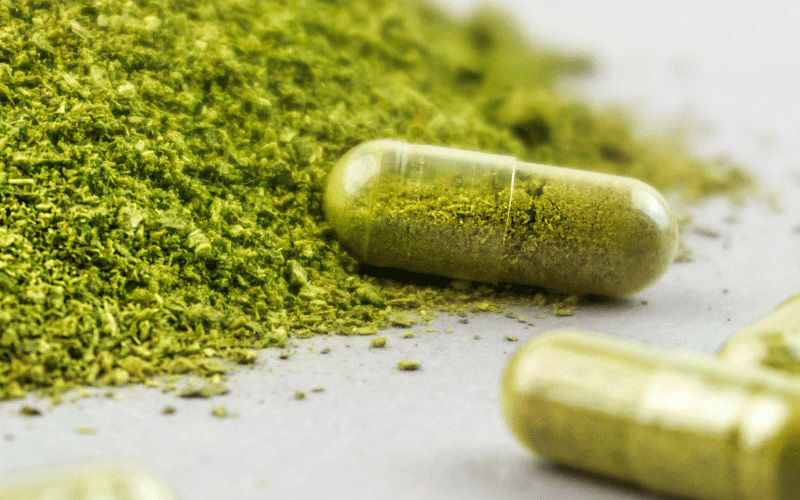
Traditionally, Kratom leaves were chewed or brewed into a tea by Southeast Asian communities seeking relief from fatigue and pain. Today, Kratom is commonly ingested in various forms, including powder or capsules.
Due to its reported effects on mood and energy levels, Kratom has gained popularity among individuals exploring alternatives to traditional pharmaceuticals. Some users claim it helps alleviate anxiety, depression, chronic pain, and even assists with opiate withdrawal symptoms.
However, it is crucial to note that while anecdotal evidence supports these claims for some users, comprehensive scientific research on Kratom’s efficacy and long-term effects remains limited.
The History of Kratom and Its Uses
Kratom, or Mitragyna speciosa, boasts a rich history spanning centuries. Originating from Southeast Asia, particularly countries like Thailand and Malaysia, Kratom has been revered for its medicinal properties and cultural significance.
Indigenous populations in these regions traditionally consumed Kratom leaves by chewing them or brewing them into tea. They believed it provided energy, enhanced productivity during demanding labor, and offered relief from various ailments such as pain, diarrhea, coughs, and even opium addiction.
Over time, the use of Kratom extended beyond Southeast Asia’s borders. In the 19th century, European explorers recognized its potential therapeutic benefits, introducing it to the Western world. It subsequently gained attention among researchers studying its unique alkaloid compounds, such as mitragynine and 7-hydroxymitragynine.
In more recent years, Kratom has been recognized for its alleged ability to alleviate chronic pain without the respiratory depression commonly associated with opioid medications. Some individuals have reported using Kratom to manage conditions like fibromyalgia or arthritis-related discomfort.
However, it is important to acknowledge that robust research into Kratom’s full efficacy is still limited, largely due to legal restrictions imposed by governments worldwide. Concerns about its potential for abuse, safety issues linked to improper usage, or adulterated products containing synthetic additives have led some countries to ban or strictly regulate this botanical substance.
Despite these controversies, numerous anecdotal accounts suggest that responsible use may yield positive outcomes for certain individuals seeking relief from pain or opioid withdrawal symptoms, making this a highly debated topic among medical experts and the public alike.
Understanding the historical context of Kratom is essential to comprehending its complex position within today’s regulatory landscape, highlighting both its promise and the legitimate concerns surrounding its use.
Government Regulations and Bans on Kratom
Kratom, a tropical evergreen tree indigenous to Southeast Asia, has become the subject of intense debate and regulatory scrutiny in recent years. While many individuals attest to its potential health benefits, others contend that it poses significant risks. Consequently, governments globally have implemented various regulations and outright bans on Kratom.
In the United States, for example, the Drug Enforcement Administration (DEA) initially proposed classifying Kratom as a Schedule I substance in 2016, which would have placed it alongside drugs like heroin and LSD. However, a strong backlash from advocates, who highlighted its potential medicinal uses, led to the withdrawal of this proposal.
Despite this federal reversal, several U.S. states have independently moved to ban or regulate Kratom at a local level. These actions often stem from concerns regarding the substance’s potential for misuse or abuse.
Internationally, countries such as Australia, Thailand, and Malaysia have also enacted strict regulations or outright prohibitions on Kratom, driven by fears surrounding its addictive properties and the limited research on its long-term effects.
Proponents against government interference argue that these restrictions limit access to potentially beneficial herbal remedies for individuals suffering from chronic pain or opioid addiction. They assert that appropriate regulation could facilitate safe usage while addressing associated risks through education and stringent quality control measures.
Conversely, government officials advocating for stricter controls maintain that, in the absence of extensive scientific evidence supporting Kratom’s safety profile, such regulatory measures are necessary to safeguard public health. They express concerns about possible side effects like liver damage, respiratory depression, and even fatal overdoses linked to unregulated use.
Furthermore, the unregulated market may offer adulterated products, which can lead to further harm if consumed unknowingly. These concerns drive efforts to restrict access rather than embracing potential therapeutic applications before more conclusive research becomes available.
The ongoing tension between those who champion individual autonomy in choosing natural remedies and those who prioritize public safety underscores the inherent complexities of this issue. As research continues and regulatory frameworks evolve, this debate is far from settled.
Possible Risks and Side Effects of Kratom Use
When considering any substance, it is paramount to understand its potential risks and side effects. While Kratom has garnered popularity for its alleged benefits, it is crucial to be fully aware of its possible drawbacks.
Kratom can possess addictive properties. Some individuals who use Kratom regularly may develop a dependence on the substance. Abruptly ceasing Kratom use could lead to withdrawal symptoms such as irritability, anxiety, insomnia, or even flu-like symptoms.
Moreover, there have been reports linking long-term Kratom use with liver damage. While these cases are relatively rare and further research is needed to definitively establish a causal connection between Kratom and liver problems, this potential risk warrants consideration.
Another significant concern is that the purity and quality of commercially available Kratom products are not consistently guaranteed. Instances have occurred where contaminated or adulterated batches of Kratom were found in circulation. Such impurities can pose additional health risks when unknowingly consumed.
Additionally, some users have reported experiencing gastrointestinal issues like constipation or stomach discomfort after taking Kratom. It is essential to monitor your body’s response and adjust your dosage accordingly if any adverse effects arise.
While many individuals find relief from chronic pain or manage withdrawal symptoms through responsible Kratom use, a thorough understanding of these potential risks is vital for making informed decisions about its consumption.
Remember that everyone reacts differently to substances like Kratom; what may be beneficial for one person might not be suitable for another due to individual variations in body chemistry and tolerance levels. As with any supplement or medication, consulting with a healthcare professional before initiating or discontinuing Kratom use is always strongly recommended.
The Debate: Is Kratom Dangerous or Beneficial?
Kratom has emerged as a highly contentious topic in recent years, with both proponents and skeptics presenting compelling arguments. On one side, advocates assert that Kratom can offer significant pain relief, enhance energy levels, and even assist in managing opioid addiction.
They view it as a natural alternative to prescription medications, often with fewer severe side effects.
However, a cautionary perspective warns against the use of Kratom due to its potential risks. Critics highlight that Kratom can be addictive and may lead to dependence or uncomfortable withdrawal symptoms. They also raise concerns about the pervasive lack of regulation and standardization in the production and distribution of Kratom products, which can lead to inconsistent purity and potency.
Another key point of contention is the limited scientific research available concerning Kratom’s long-term effects on human health. While some preliminary studies suggest potential benefits, others underscore potential dangers such as liver damage or adverse interactions with other substances.
The debate surrounding Kratom frequently revolves around balancing individual freedom with public safety. Supporters champion personal autonomy in choosing natural alternatives for health management, while opponents emphasize the imperative for government intervention to protect public health from potential harm.
As more research emerges and robust regulatory measures are potentially put into place, it will be intriguing to observe how this complex debate unfolds. Finding a pragmatic middle ground that harmonizes individual choice with responsible regulation will likely be crucial in definitively determining whether Kratom is ultimately dangerous or beneficial.
Conclusion: The Future of Kratom and Its Legality
As the extensive debate surrounding Kratom continues, it is unequivocally clear that diverse opinions persist regarding its safety and potential benefits. While some argue that Kratom presents a natural alternative to opioids with promising therapeutic effects, others voice significant concerns about its addictive properties and potential for abuse.
Despite these ongoing debates, one factor remains certain: government interference has played a pivotal role in shaping the current legality and accessibility of Kratom. The bans and strict regulations imposed by various countries have undoubtedly complicated its availability for users.
However, recent developments offer a glimmer of hope for Kratom’s future. In nations like Thailand, where Kratom has a long history as a traditional medicine, efforts are actively being made towards its decriminalization.
Moreover, dedicated advocacy groups and individuals who believe in the medicinal value of Kratom continue to champion its recognition as a legitimate treatment option. They consistently emphasize the critical need for further scientific research into its full spectrum of potential benefits and risks, aiming to establish responsible guidelines for its consumption.
It is important to acknowledge that while risks are associated with irresponsible or excessive Kratom use, many proponents firmly believe that when utilized properly, perhaps under medical supervision or as part of structured alternative therapy programs, it can offer meaningful relief from pain and assist in managing opioid withdrawal symptoms.
The future remains uncertain; however, sustained and constructive dialogue among experts, policymakers, researchers, and advocates will play a crucial role in determining whether we witness an evolving acceptance towards this botanical substance or if government control continues to prevail.
Ultimately, decisions regarding the legality and regulation of Kratom should be predicated on robust scientific evidence rather than solely on political agendas. By considering all perspectives objectively, you can form your own educated opinion on whether you view Kratom as dangerous or potentially beneficial.