
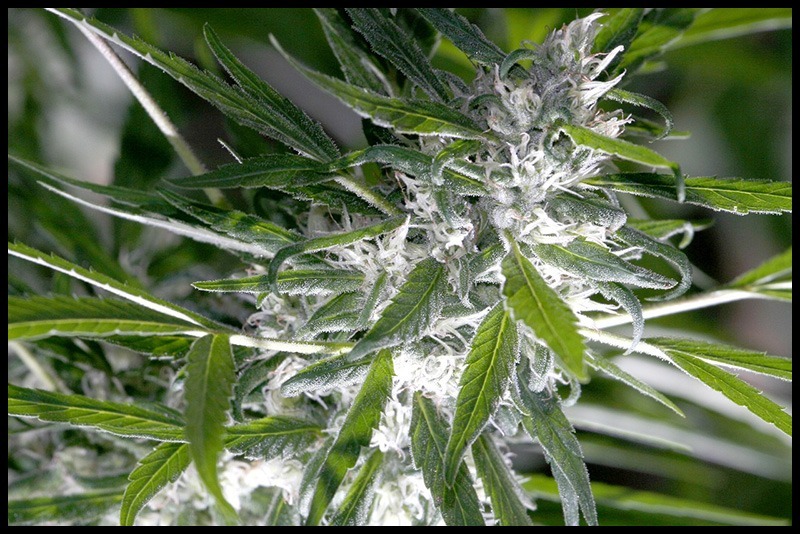
Hop Latent Viroid (HLVD or HpLVD) is a circular, single-stranded pathogen known to cause “dudding” in cannabis plants. HpLVD can remain asymptomatic for extended periods before manifesting symptoms such as irregular branching, reduced trichome production, chlorosis (yellowing) of leaves, and stunted growth. This viroid is highly transmissible through pruning shears and direct contact between infected and healthy plants, leading to its rapid spread. Understanding HpLVD and implementing preventative measures are crucial to protecting your cannabis crop from this pervasive virus.
Some reputable seed banks have taken proactive steps to ensure their genetics are free from HLVD. For instance, when growing strains like the Cereal Milk strain, you can be assured of HLVD-free seeds, mitigating this concern for your grow.
An Overview of HpLVD
HpLVD is an infectious disease capable of causing “dudding” or “dudding disease” in cannabis plants. This condition may or may not exhibit visible symptoms and can remain latent for years before signs appear. The initial indicators of this disease were observed in 2018, with official verification following in 2019 after further investigation. Research into the hop latent viroid, its progression, and transmission is ongoing. Current understanding suggests that the virus primarily spreads through mechanical transmission, meaning an infected plant must come into direct or indirect physical contact with a healthy one.
Researchers have also determined that HpLVd has already spread extensively, infecting hundreds or even thousands of cannabis plants worldwide. Because of its relatively recent identification, many growers remain unaware that their plants are contaminated or attribute observed symptoms to other causes.
How HpLVD Spreads
Due to current cannabis regulations, research into this pathogen continues to evolve. However, it is well-established that the virus can spread through contact via tools such as scissors, scalpels, pruning shears, or any other similar instrument. For this reason, thorough sterilization of tools is essential before working on a new plant. Failure to do so can easily transfer the viroid from an infected plant to a healthy one.
The virus can also be transmitted through the seeds of a diseased plant, although studies on the exact mechanisms and rates of seed transmission are still underway. Detecting an infected plant can be challenging because asymptomatic plants often appear healthy while actively spreading the virus throughout your entire crop. Therefore, consistent preventative safety measures are paramount.
Common HpLVD Indicators During the Vegetative Phase
During the vegetative phase, infected marijuana plants frequently exhibit the following symptoms:
- Shorter internodal spacing.
- Leaves appearing smaller than usual.
- Overall plant growth is stunted or shorter than expected.
Common HpLVD Indicators During the Flowering Phase
During the flowering phase, infected cannabis plants will typically:
- Develop smaller and looser buds.
- Have significantly fewer trichomes.
- Often experience a reduction in cannabinoid content by up to 50%.
How to Identify HpLVD in Your Marijuana Plants
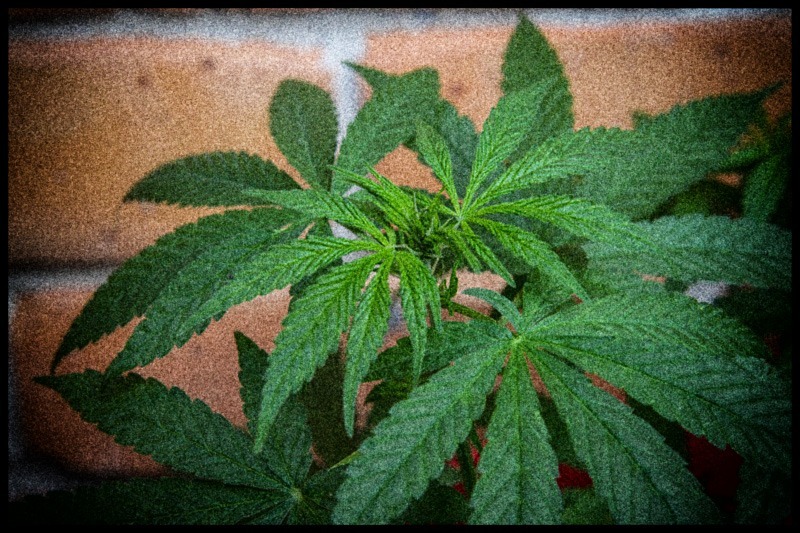
If you suspect your plants are infected with HpLVd, the crucial first step is to confirm its presence through testing. Here are common testing and remediation strategies:
Screen Test
While not all infected marijuana plants display obvious symptoms, the most reliable way to detect HpLVD is through a screening test, such as a qPCR test. These tests can be difficult to access or costly depending on your location, making them generally more feasible for commercial producers. qPCR testing is highly recommended for ensuring that mother plants and newly acquired clones are virus-free, though the expense warrants consistent preventative measures in addition to testing. If your cannabis crops test positive, here are common steps to take:
Isolation
If test results are positive, it is imperative to promptly remove all confirmed contaminated plants from the grow room. All plants that came into direct contact with the sick plant should also be considered compromised and disposed of appropriately to prevent further spread.
Tissue Culture
If an entire crop is infected, or if a valuable mother plant is confirmed to carry HpLVD, tissue culture offers an effective method for virus elimination. This specialized process uses specific treatments to eradicate the viroid, allowing for the regeneration of new, 100% healthy, and disease-free plants from the infected tissue.
Tips for Managing HpLVD in Cannabis Plants
The most effective way to prevent the spread of HpLVD is rigorous sterilization of equipment before working on any new plant. It is also crucial to wash your hands thoroughly and change into fresh gloves before handling different plants. To minimize the risk of disease vectoring, always practice excellent cleanliness upon entering your growing environment. Furthermore, avoid introducing unscreened plant material from outside sources, and do not enter your grow space wearing shoes that have been worn in other gardens or outdoor areas.
It’s worth noting that you don’t always need to discard an entire plant immediately, as sometimes a positive test from the bottom of a plant might coexist with a negative result from the top. Here are some practical tips to help manage potential infection:
- Always clone from the plant’s top growth, as this section is generally healthier and less likely to carry the viroid.
- Designate a dedicated pair of scissors and a razor blade for each individual plant to prevent cross-contamination.
- Change your cloning solution between plants. Be aware that bactericides and similar compounds can sometimes delay root formation, so patience is key!
Despite not appearing overtly destructive at first glance, the Hop Latent Viroid is a serious concern that can infect your entire crop. While it may not be as immediately devastating as some other pathogens, it will significantly compromise the health and productivity of your cannabis plants, particularly for commercial growers. Therefore, consistently sterilize all tools before working on new plants.
Pay close attention to unusual growth patterns, especially if a particular strain previously thrived and has suddenly begun to underperform. While a casual home grower might tolerate some impact, commercial growers and breeders will experience a noticeable decline in bud quality, quantity, and overall plant development and health. Implement all possible safety and preventative measures.
Leading seed banks like Premium Cultivars proactively ensure that all of their autoflower and feminized seeds are guaranteed to be HpLVD free, offering peace of mind to growers.