By Spinfuel Editorial • Nashua, NH • June 15, 2024
Rebuildable Dripping Atomizers (RDAs) are a popular choice among experienced vapers for their superior flavor production, dense vapor clouds, and customizable vaping experience. While the idea of building your own coils might seem daunting at first, it’s a rewarding skill that opens up a new world of vaping possibilities. This comprehensive guide will walk you through everything you need to know about RDA building, from essential tools to advanced techniques and crucial safety tips.
Introduction to Rebuildable Dripping Atomizers (RDAs)
What are Rebuildable Dripping Atomizers?
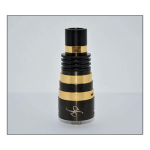
An RDA is a type of atomizer that requires the user to manually install coils and wick them with cotton. Unlike sub-ohm tanks or pod systems, RDAs don’t have a reservoir for e-liquid; instead, you drip e-liquid directly onto the coils and wick before each vaping session. This direct contact ensures fresh flavor and allows for quick flavor changes.
Why Choose an RDA?
Enhanced Flavor: Direct dripping provides the purest flavor experience.
Massive Vapor Production: Larger coils and direct airflow contribute to impressive clouds.
Customization: Full control over coil material, resistance, and wicking.
Cost-Effective: Building coils is cheaper than buying pre-made coil heads in the long run.
Educational: A great way to learn about the mechanics of vaping.
Essential Tools for RDA Building
To get started, you’ll need a few specialized tools. Investing in a good coil building kit can make this process much easier.
Kanthal, Nichrome, or Stainless Steel Wire
Kanthal: The most common and easiest to work with. Great for variable wattage modes.
Nichrome: Heats up faster than Kanthal, also suitable for wattage mode.
Stainless Steel (SS): Can be used in both wattage and temperature control (TC) modes.
Organic Cotton
Unbleached, organic cotton is essential for wicking. Cotton bacon or Japanese organic cotton pads are popular choices.
Coil Jig/Rod
Helps you wrap coils evenly and consistently. Many RDAs come with a small screwdriver that can double as a coil rod.
Ceramic Tweezers
Non-conductive, allowing you to pinch and adjust hot coils during dry firing without shorting your device.
Wire Cutters
Small, sharp cutters to trim excess wire.
Small Scissors
For trimming cotton wicks.
Ohm Reader/Multimeter
Crucial for checking the resistance of your coils and ensuring they are safe to fire. Many modern mods have this feature built-in, but a dedicated reader is always recommended for new builders.
Screwdriver Set
Various small screwdrivers (flathead, Phillips, Allen) for securing coils in the RDA’s posts.
RDA Deck and Mod
Of course, you’ll need an RDA and a compatible mod. Ensure your mod can handle the resistance range of your coils.
Step-by-Step RDA Coil Building Guide
Step 1: Preparing Your Wire
Cut a length of wire (typically 4-6 inches). Straighten it out by pulling it taut or gently running it through your fingers.
Step 2: Wrapping the Coil
Insert your coil jig or chosen rod into the wire, leaving a short tail on one side.
Begin wrapping the wire tightly around the rod, making sure each wrap is flush against the previous one. The number of wraps determines your coil’s resistance and heat-up time. (e.g., 5-7 wraps for a standard single coil).
Once you have the desired number of wraps, cut the wire, leaving another short tail. You should now have a perfectly formed coil. If building dual coils, repeat this step for the second coil, ensuring they are identical.
Step 3: Installing the Coil on the RDA Deck
Loosen the post screws on your RDA deck.
Insert the tails of your coil into the post holes. Ensure the coil is centered over the airflow and not touching any part of the deck (which could cause a short).
Tighten the post screws securely, making sure the coil remains in place. Trim any excess wire as close to the posts as possible with your wire cutters.
Step 4: Dry Firing and Squeezing (Pinching) the Coils
Place your RDA (without cotton or e-liquid) onto your ohm reader or mod.
Gently pulse the fire button at a low wattage (around 20-30W) until the coils glow evenly from the inside out.
If parts of the coil glow hotter or unevenly, gently squeeze the coil with your ceramic tweezers while pulsing the fire button. This helps eliminate hotspots and ensures even heating. Repeat until both coils (if dual) glow uniformly and without excessive sparking.
Step 5: Wicking Your Coils
Cut a strip of organic cotton. The width should be enough to fit snugly, but not too tightly, through the inside diameter of your coil.
Twist one end of the cotton to make it easier to thread through the coil. Gently pull it through.
Fluff out the ends of the cotton and trim them so they just touch the bottom of the RDA deck or sit comfortably in the juice well. The goal is to have enough cotton to absorb e-liquid without restricting airflow or being too sparse.
Step 6: Priming and Vaping
Drip e-liquid directly onto your coils and cotton until it is fully saturated.
Place the top cap back on your RDA.
Take a few gentle puffs without pressing the fire button to help draw the liquid into the coils (priming).
You’re now ready to vape! Remember to keep your coils saturated by dripping e-liquid regularly.
Safety Tips for RDA Building and Vaping
Safety is paramount when building and using RDAs. Always prioritize safety over cloud chasing or flavor chasing.
Understanding Ohm’s Law
Ohm’s Law (V=IR) is fundamental to vaping safety. It dictates the relationship between voltage, current (amps), and resistance. Learn how to calculate safe wattages and ensure your coil resistance is appropriate for your battery’s continuous discharge rating (CDR). Spinfuel’s Ohm’s Law Chart is a great resource.
Battery Safety
Always use high-drain, authentic batteries from reputable manufacturers.
Inspect your battery wraps regularly for damage. Re-wrap or replace damaged batteries immediately.
Never carry loose batteries in your pocket or bag with other metal objects (keys, coins), as this can cause a dangerous short circuit. Use battery cases.
Checking for Shorts
Before firing on your mod, always check your coil’s resistance on an ohm reader or your mod’s built-in reader. An extremely low or fluctuating resistance could indicate a short.
Start with Higher Resistance
If you’re new to coil building, start with higher resistance coils (e.g., 0.5 ohms or above for single coils) as they are more forgiving and safer while you learn the ropes.
Common RDA Building Mistakes to Avoid
Even experienced builders make mistakes. Here are some common pitfalls and how to avoid them:
Incorrect Coil Resistance
Building coils with too low resistance for your battery/mod can be dangerous. Always double-check your coil’s resistance with an ohm reader.
Poor Wicking
Too Much Cotton: Can lead to dry hits, muted flavor, and restricted airflow.
Too Little Cotton: Can cause leaking and insufficient e-liquid delivery to the coils, leading to dry hits.
Solution: Aim for a snug but not overly tight fit. The cotton should be able to move slightly within the coil.
Loose Connections
Ensure your coil leads are securely tightened in the post holes. Loose connections can lead to fluctuating resistance, hot spots, and poor performance.
Over-Dripping or Under-Dripping
Over-Dripping: Can cause leaking from the airflow holes and messy operation.
Under-Dripping: Leads to dry hits and can burn your cotton.
Solution: Learn the right amount for your specific RDA and vaping style.
Advanced RDA Building Techniques (Brief Overview)
Once you’ve mastered the basics, you might explore more complex coil builds for different vaping experiences:
Clapton Coils: A thinner wire (e.g., 32ga) wrapped around a thicker core wire (e.g., 26ga), resembling a guitar string. Offers increased surface area, resulting in more flavor and vapor.
Fused Claptons: Two or more core wires wrapped with a thinner outer wire. Even more surface area than a single Clapton, leading to further enhanced flavor and vapor.
Staggered Fused Claptons: A more intricate version of fused Claptons, where the outer wrap is staggered between two parallel core wires. Offers exceptional flavor and vapor.
Alien Coils: Similar to Fused Claptons but with a de-cored Clapton wrap as the outer wire, creating a distinctive “alien skin” pattern. Known for incredible flavor and dense vapor.
Parallel Coils: Two wires wrapped side-by-side as a single coil. Increases surface area and lowers resistance.
Conclusion
RDA building might seem complex, but with practice, patience, and attention to safety, it becomes a highly rewarding aspect of vaping. It offers unparalleled customization, flavor, and vapor production. By following this guide, you’ll be well on your way to mastering the art of coil building and enjoying a personalized vaping experience. Happy building and safe vaping!