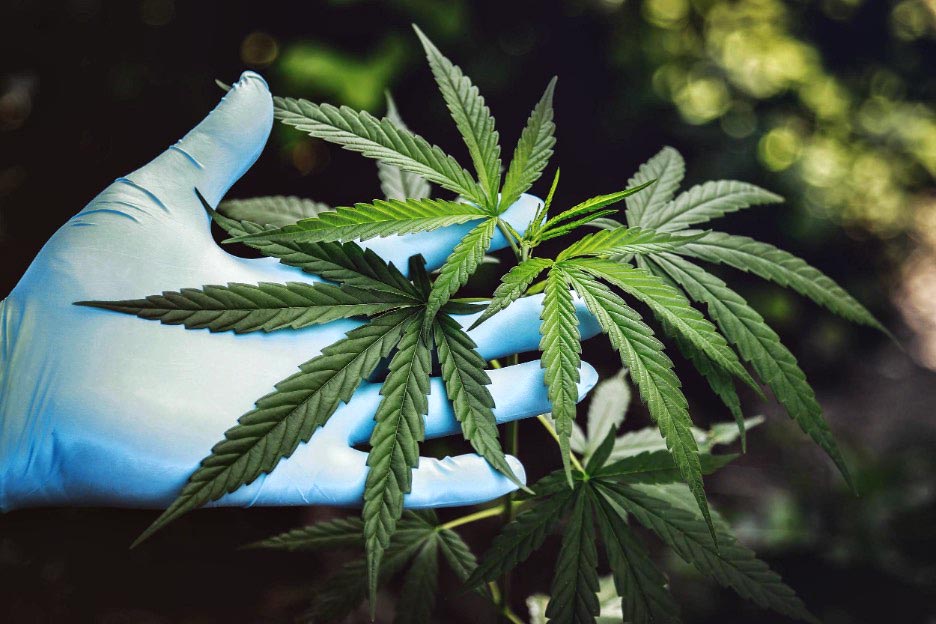
As cannabis legalization gains momentum globally, an intriguing demographic is at the forefront of embracing marijuana for its diverse benefits: baby boomers. This generation, known for their rebellious spirit in the 1960s and 70s, is now exploring cannabis in their golden years for enhanced wellness and enjoyment. This article explores the driving forces behind this evolving trend and how marijuana is becoming an integral part of baby boomers’ lives today.
A Trip Down Memory Lane
The Evolution of Marijuana Perception Among Baby Boomers
The baby boomer generation, spanning those born between 1946 and 1964, first encountered marijuana amidst the transformative counterculture revolution of the 1960s and 1970s. This era, marked by significant social change and a pursuit of personal freedom, saw marijuana emerge as a potent symbol of rebellion against societal norms. More than just a substance, it embodied a broader movement challenging authority and promoting alternative lifestyles.
During these formative years, marijuana was often viewed as a tool for expanding consciousness, a means to explore the mind’s potential, and a way to enrich artistic and spiritual experiences. It became synonymous with festivals, protests, and the rise of rock music, firmly embedding itself in counterculture. However, the mainstream narrative often portrayed it as a dangerous drug leading to addiction and societal decline, fostering a significant stigma that led many to conceal its use or avoid it altogether. Legal repercussions further intensified this negative perception.
Today, the perception of marijuana has undergone a remarkable transformation. Over the past few decades, the dialogue surrounding cannabis has shifted dramatically from a dangerous narcotic to a recognized therapeutic agent. Numerous studies now highlight its potential benefits in managing conditions such as chronic pain, anxiety, and various neurological disorders. This newfound understanding has permeated public consciousness, leading to significant global policy changes.
Marijuana is now legalized for both medicinal and recreational use in many regions worldwide, including numerous U.S. states. This legalization reflects evolving societal attitudes and provides an opportunity for individuals, particularly baby boomers, to revisit cannabis. However, the motivation has shifted: the focus is now often on health and wellness rather than solely recreation. Many baby boomers are seeking alternative treatments for age-related ailments, turning to marijuana to potentially improve their quality of life.
As baby boomers re-engage with marijuana, it’s crucial to consider the implications of this shift. Concerns often arise regarding its safety, efficacy, and potential interactions with other medications older adults may be taking. Addressing these concerns is vital for fostering informed discussions about cannabis use within this demographic. Healthcare providers are increasingly called upon to offer guidance, ensuring patients make well-informed decisions based on reliable information.
Furthermore, the social stigma surrounding marijuana use among older adults is steadily diminishing. As more individuals share positive experiences and the benefits they’ve gained, others feel more comfortable exploring its potential. Support groups and community resources are emerging, specifically aimed at educating baby boomers on safe consumption methods, appropriate dosages, and the diverse forms of marijuana available today, such as edibles, oils, and topical applications.
In essence, marijuana’s journey from a counterculture icon to a recognized therapeutic agent mirrors broader societal evolution. For the baby boomer generation, this shift presents a unique chance to rediscover a substance that once symbolized rebellion, now viewed through the lens of health and well-being. As they navigate this changing landscape, staying informed, engaged, and open to the possibilities cannabis offers is crucial for enhancing their lives in this new chapter.
The Health Benefits of Marijuana for Seniors
Enhancing Sleep Quality Through Cannabis
Improving sleep quality is a prevalent concern, particularly as individuals age. Cannabis offers an effective approach to this issue, renowned for its ability to promote relaxation and deliver anti-anxiety and mood-lifting properties. These characteristics are especially beneficial in mitigating the stress and depression often associated with the aging process.
The Link Between Stress, Depression, and Aging
As people age, they frequently encounter various life changes—such as retirement, the loss of loved ones, or emerging health issues—that can lead to increased stress and anxiety. These stressors can create a vicious cycle where anxiety and depression worsen sleep difficulties, ultimately diminishing overall well-being. By alleviating these emotional burdens, cannabis can be a valuable tool for enhancing sleep quality, which is fundamental for both physical and mental health.
Personal Experiences: Anecdotes from Baby Boomers
Anecdotal evidence from baby boomers vividly illustrates the positive effects cannabis can have on older adults. Consider John Manzione, a 70-year-old semi-retired publisher, who shares how integrating cannabis into his wellness routine significantly reduced his arthritis pain. This relief not only improved his physical comfort but also allowed him to return to his beloved Xbox gaming hobby. The joy of playing Gears of War with his 68-year-old brother has been rekindled, bringing with it a sense of happiness and family connection that is vital for emotional well-being.
Scientific Backing for Cannabis Use
John’s experience is far from an isolated case; a growing body of scientific research supports these observations. Numerous studies have explored the potential benefits of cannabis for older adults, highlighting its capacity to improve their quality of life. Research indicates that cannabinoids can effectively reduce inflammation and pain, making daily activities more manageable for those with chronic conditions. Furthermore, studies have shown that cannabis can enhance sleep quality, leading to longer and more restorative sleep cycles.
Addressing Concerns and Misconceptions
While the benefits of cannabis are increasingly recognized, it is essential to address any lingering concerns or misconceptions. Some individuals may worry about potential addiction or the psychoactive effects of marijuana. However, many cannabis strains are now available that minimize these effects while still delivering therapeutic benefits. Moreover, education on responsible usage and appropriate dosage empowers users to make informed choices tailored to their personal health needs.
A Path to Improved Well-Being
In summary, the potential of cannabis to improve sleep quality offers a promising avenue for many older adults navigating the challenges of aging. Its anti-anxiety and mood-enhancing properties can effectively mitigate the stress and depression often associated with this life stage. Personal anecdotes, such as John’s, coupled with scientific research, paint a hopeful picture of cannabis as a tool for improving the quality of life in older adults. As awareness grows and barriers diminish, more individuals may discover the profound benefits of cannabis, allowing them to reclaim their leisure activities and enhance their overall well-being.
Navigating the Complex Landscape of the Modern Marijuana Market
Today’s modern marijuana market offers an astonishingly diverse selection of products, ranging from CBD oils and THC tinctures to various edibles, topicals, and infused beverages. This vast array can be quite overwhelming, particularly for baby boomers who may be new to the world of cannabis. As this landscape continually evolves, individuals in this age group require thoughtful guidance to effectively navigate the market’s complexities and make informed choices about products best suited for their needs.
Understanding Key Differences: CBD vs. THC
One of the most crucial aspects of navigating this marketplace is understanding the fundamental differences between two prominent cannabis compounds: cannabidiol (CBD) and tetrahydrocannabinol (THC). While THC is the psychoactive component responsible for the “high” associated with marijuana, CBD is non-psychoactive and is often sought for its potential therapeutic benefits without intoxicating effects. This distinction is vital for baby boomers, especially those concerned about the mental alteration aspects of cannabis.
It is essential for individuals to educate themselves on how these compounds interact with the body. For instance, CBD has been linked to reductions in anxiety and inflammation, whereas THC can be more effective for pain relief and appetite stimulation. By understanding these differences, baby boomers can make more informed choices that align with their health goals and personal preferences.
Starting Slow: The Importance of Low Doses
Another essential consideration for those new to cannabis is the principle of starting with low doses. This approach is particularly important for baby boomers, who may have different tolerances and sensitivities compared to younger users. Beginning with a low dose allows individuals to gauge their body’s response to cannabis before gradually increasing the amount as needed. This practice minimizes the risk of adverse effects and helps ensure a positive experience.
For example, one might start with a CBD oil product containing a low concentration, such as 5-10 mg per serving. After evaluating their response, they can adjust their intake based on their comfort level and desired effects. This careful, measured approach is key to enjoying the benefits of cannabis safely.
Consulting Healthcare Providers: A Crucial Step
Before embarking on a journey into cannabis use, it is crucial for baby boomers to consult with their healthcare providers. This step is especially important for individuals who are currently taking other medications, as cannabis can interact with various pharmaceuticals. A healthcare professional can provide personalized advice, taking into account the individual’s medical history and current treatments. This consultation not only enhances safety but can also help individuals make better choices regarding the types of products most beneficial for their specific health concerns.
Healthcare providers can also help dispel common myths about cannabis use, alleviating fears and misconceptions baby boomers might hold. For example, discussing the non-intoxicating nature of CBD and its potential benefits can empower patients to consider its use as part of their wellness regimen.
Mindful Consumption: Enjoying the Benefits
Ultimately, the key to navigating the modern marijuana market lies in approaching cannabis use mindfully. By taking the time to educate themselves, starting with low doses, and consulting with healthcare professionals, baby boomers can effectively harness the potential benefits of cannabis while minimizing associated risks. This thoughtful approach fosters a more enjoyable experience and enables individuals to explore the therapeutic possibilities cannabis may offer.
In conclusion, as this market continues to expand and evolve, baby boomers need to arm themselves with knowledge and resources. By understanding the differences between CBD and THC, practicing cautious consumption, and seeking professional advice, they can confidently navigate the complexities of the modern marijuana market and enhance their overall well-being.
Social and Recreational Aspects of Marijuana Use
When considering the multifaceted benefits of marijuana, its impact clearly extends beyond mere health advantages. One of the most intriguing aspects of cannabis is its ability to enrich social and recreational activities, particularly among the baby boomer generation. This demographic, often characterized by a desire for connection and community, finds that cannabis introduces a refreshing new dimension to their social interactions.
For many baby boomers, social gatherings can sometimes feel stifled or overly formal. However, incorporating cannabis into these events often creates a more relaxed and enjoyable atmosphere. Imagine a dinner party where guests are not just sharing a meal but also stories, laughter, and a sense of camaraderie enhanced by the presence of cannabis. This shift in dynamics can lead to deeper conversations and a greater sense of bonding among participants.
Moreover, marijuana can enhance activities like yoga, cooking classes, and gardening, transforming them into communal experiences that foster connection and creativity. For instance, when practicing yoga in a group setting, the calming effects of cannabis can help participants feel more at ease, allowing them to connect with one another and engage on a deeper level. This enhanced state of relaxation can lead to a more profound physical and mental experience as practitioners share in the mindfulness journey together.
Similarly, cooking classes can take on a whole new flavor when cannabis is included. Participants may find creating meals more enjoyable and collaborative, potentially leading to innovative cannabis-infused dishes. Experimenting with flavors ignites creativity and provides a platform for participants to bond over shared culinary adventures. As they share successes and perhaps a few culinary mishaps, laughter and stories flow more freely, solidifying friendships and creating lasting memories.
Gardening, too, is an activity that cannabis can enrich. Whether cultivating plants for medicinal purposes or simply enjoying the act of nurturing a garden, the experience can be made even more enjoyable in a communal setting. Seniors participating in gardening groups often report that the combination of fresh air, hands in the soil, and the calming effects of cannabis fosters a unique sense of tranquility and connectedness with nature and each other.
The rise of cannabis clubs and marijuana-themed events testifies to how this plant is not only enhancing individual experiences but also creating new social opportunities. These clubs provide spaces where people can come together to share their passion for cannabis, learn from one another, and form new friendships. Many stories have emerged of seniors finding joy and companionship within these groups, illustrating cannabis’s pivotal role in enriching lives and fostering new social connections.
In summary, the social and recreational aspects of marijuana use among baby boomers represent a growing movement toward community building and shared experiences. As more individuals embrace cannabis in social settings, the potential for connection, creativity, and joy expands significantly. This shift not only enhances their recreational activities but also provides a meaningful way to engage with others, ultimately enriching their lives in profound and lasting ways.
Overcoming Stigma and Embracing Change
While the acceptance of marijuana and its various uses has significantly increased in recent years, a lingering stigma persists, particularly among older generations. This stigma often stems from long-standing societal norms, outdated beliefs, and misinformation surrounding cannabis. Engaging in open and honest conversations with family members and friends is essential to effectively address and dismantle this stigma. By discussing the benefits of marijuana—such as its potential for pain relief, anxiety reduction, and overall wellness—individuals can foster a more informed perspective.
The Importance of Open Dialogue
Engaging in dialogue about marijuana use goes beyond sharing personal experiences; it also involves educating others about responsible cannabis consumption. Many older adults may hold preconceived notions based on past legal implications or societal views that have since evolved. By providing factual information and sharing positive testimonials from those who have benefited from cannabis, we can help dispel myths and promote understanding. For instance, discussing how cannabis can be used medicinally to alleviate chronic pain or improve sleep quality can resonate with those who may have reservations.
Resources and Support Networks
In addition to personal conversations, it is beneficial to tap into advocacy groups and support networks specifically designed for senior marijuana users. These organizations can offer a wealth of resources, including educational materials, workshops, and community events that foster a supportive environment. They can also connect individuals with healthcare professionals who understand the nuances of cannabis use in older adults, ensuring users make informed decisions about their consumption. Such networks provide reassurance and community, which can be particularly valuable for seniors navigating the complexities of cannabis use.
Embracing Change and Lifelong Learning
Ultimately, embracing change requires a commitment to continuous education about the evolving cannabis landscape. As laws and regulations change, and as new research emerges regarding the benefits and risks associated with marijuana, individuals need to stay informed. This means not only understanding the different strains and methods of consumption but also being aware of how cannabis interacts with other medications, particularly for older adults who may be managing multiple health conditions.
Addressing Potential Concerns
It’s also important to anticipate and address any concerns individuals may have regarding marijuana use. Questions about safety, potency, and side effects are common, and addressing these thoughtfully can ease apprehensions. For example, discussing the importance of starting with low doses, understanding the differences between THC and CBD, and recognizing the significance of individual tolerance levels can empower users to make safer choices.
Overcoming the stigma associated with marijuana use among older generations is an ongoing journey that necessitates open communication, access to resources, and a willingness to embrace change. By fostering informed discussions, providing support, and committing to lifelong learning about cannabis, we can help ensure that individuals are not only aware of the benefits of marijuana but are also equipped to enjoy them responsibly. As the world continues to evolve around cannabis, we must also evolve our perceptions, allowing for a broader acceptance that can enhance the quality of life for many.
Conclusion
The re-emergence of marijuana as a tool for wellness among baby boomers signifies a fascinating and impactful trend. From effectively managing chronic pain to enriching social interactions, cannabis offers numerous benefits that contribute to an improved quality of life for seniors. As baby boomers continue to explore this option, it is crucial to approach it responsibly, armed with proper guidance and an open mind. The rediscovery of marijuana in their later years powerfully underscores its potential to bring health and happiness, proving once again that this generation is not done breaking new ground.