By Spinfuel Editorial • Nashua, NH • June 15, 2024
Magic mushrooms, also known as psilocybin mushrooms, are naturally occurring fungi containing hallucinogenic compounds. For centuries, diverse cultures have utilized them for spiritual, medicinal, and recreational purposes. In recent years, renewed interest in their potential therapeutic benefits has fueled a growing movement toward decriminalization and scientific research.
This guide provides a comprehensive overview of magic mushrooms, including their types, mechanisms of action, consumption methods, dosage guidelines, potential benefits, and associated risks. Whether you’re exploring their historical context or considering their use, this resource offers essential information for a safe and informed experience.
Magic mushrooms encompass a varied group of fungi characterized by their psychoactive compounds, primarily psilocybin and psilocin. These compounds interact with serotonin receptors in the brain, leading to altered perceptions, thoughts, and emotions. There are over 200 known species containing psilocybin, each possessing distinct characteristics and potencies.
Human use of magic mushrooms spans millennia, with archaeological evidence pointing to their integration into ancient rituals and spiritual practices across various cultures, notably in Mesoamerica. Today, these fungi are garnering renewed attention for their potential therapeutic applications in addressing conditions like depression, anxiety, and PTSD, in addition to their continued use in recreational and spiritual contexts.
How Do Magic Mushrooms Work?
Upon ingestion, psilocybin undergoes a metabolic conversion into psilocin, which then primarily targets serotonin 5-HT2A receptors within the brain. This interaction initiates a cascade of effects, profoundly altering brain activity and communication between neural networks. Notably, the default mode network (DMN), responsible for self-referential thought and rumination, often exhibits reduced activity, contributing to experiences of ego dissolution and a heightened sense of interconnectedness.
The psychoactive effects typically manifest within 20 to 60 minutes post-consumption and can persist for 4 to 6 hours, varying based on dosage, individual metabolism, and the specific mushroom species. Common reports include visual and auditory hallucinations, altered perceptions of time and space, intensified emotional introspection, and profound spiritual experiences. The intensity and character of these effects can differ considerably among individuals and even between separate experiences for the same person.
The Different Types Of Magic Mushrooms
Psilocybe Cubensis
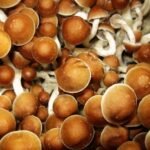
Psilocybe cubensis stands as the most recognized and widely cultivated magic mushroom species. It is easily identifiable by its golden-brown cap and a characteristic blue bruising that appears when handled. This species is often recommended for beginners due to its relatively predictable effects and ease of cultivation. It flourishes in subtropical and tropical climates, favoring humid conditions and nutrient-rich substrates.
Varieties such as “Golden Teachers,” “B+,” and “Penis Envy” fall under P. cubensis, offering a spectrum of potencies. Users commonly report visual distortions, euphoria, and deep introspective thoughts. Its widespread availability and numerous strains solidify its position as a cornerstone in the psychedelic community.
Psilocybe Semilanceata
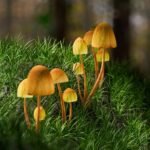
Commonly known as “Liberty Caps,” Psilocybe semilanceata ranks among the most potent psilocybin mushrooms globally. Its distinctive features include a small, conical cap and a slender stem. This species thrives in temperate grasslands and pastures, typically found in Europe and North America during late summer and autumn. Despite its modest size, it delivers powerful hallucinogenic effects.
Liberty Caps are celebrated for inducing intense visual distortions, profound spiritual experiences, and heightened emotional states. Their natural growth and high potency make them a preferred choice for experienced users, though foragers must exercise extreme caution to avoid misidentification with toxic lookalikes.
Psilocybe Cyanescens
Known as “Wavy Caps,” Psilocybe cyanescens are recognizable by their distinctively wavy caps and pronounced blue bruising. These highly potent mushrooms favor wood chips and decaying wood, frequently appearing in gardens, parks, and disturbed landscapes within temperate regions, particularly the Pacific Northwest of North America and parts of Europe.
Wavy Caps are prized for their strong visual and auditory hallucinations, significant shifts in perception, and intense euphoric states. Their high potency necessitates a cautious approach, especially for novice users. They are highly sought after by experienced individuals for their profound psychedelic effects.
Psilocybe Azurescens
Psilocybe azurescens, or “Flying Saucers,” are considered among the most potent magic mushroom species known. They feature large, caramel-colored caps and robust stems that bruise intensely blue. Native to the Pacific Northwest of the United States, they thrive in sandy soils and decaying wood near coastal areas, typically fruiting in late autumn and early winter.
Due to their exceptional potency, P. azurescens can induce profoundly intense visual and auditory hallucinations, strong emotional responses, and deeply spiritual or mystical experiences. They are not recommended for beginners and should be approached with extreme caution, even by experienced users, given their profound effects and potential for overwhelming journeys.
How To Consume Magic Mushrooms
Magic mushrooms can be consumed through various methods, each influencing the onset and intensity of their effects. The most common approach involves eating them either raw or dried. Drying mushrooms aids in their preservation and simplifies storage.
Another popular method is brewing them into a tea. This technique can help mitigate the earthy taste and reduce the likelihood of nausea, as the active compounds are absorbed more rapidly. To prepare, simply chop the mushrooms, steep them in hot (but not boiling) water for 10-15 minutes, strain, and consume. Some users also incorporate dried mushrooms into edibles like chocolates or encapsulate them, which can mask the flavor and provide a more discreet consumption method. Regardless of the chosen method, it is crucial to begin with a low dose, particularly for first-time users, to accurately assess individual sensitivity and response.
Dosage Recommendations
Understanding appropriate dosage is paramount for a safe and desired experience with magic mushrooms. Potency can vary significantly not only between species but also among individual mushrooms. Always adhere to the principle of “start low and go slow.” Below is a general guide for dried Psilocybe cubensis:
Microdose (0.1-0.3 grams): Induces sub-perceptual effects, enhancing mood, creativity, and focus without causing hallucinations.
Mild Dose (0.5-1.5 grams): Leads to noticeable sensory enhancement, a lift in mood, and altered thought patterns. Mild visuals may occur.
Moderate Dose (2-3.5 grams): Characterized by stronger visuals, profound introspection, altered perception of time, and the potential for spiritual experiences.
Strong Dose (4-5+ grams): Results in intense hallucinations, significant ego dissolution, deep spiritual insights, and potentially overwhelming experiences. This dosage is recommended exclusively for experienced users within a safe and guided environment.
For more detailed information on specific dosages and trip preparation, refer to reputable resources such as TripSafe.org or PsychonautWiki.
Potential Benefits Of Magic Mushrooms
Emerging scientific research and a substantial body of anecdotal evidence suggest a range of potential benefits associated with magic mushrooms:
Mental Health Support: Studies indicate that psilocybin may be effective in treating depression, anxiety, and PTSD, often by promoting neuroplasticity and disrupting entrenched negative thought patterns.
Enhanced Creativity and Problem-Solving: Users frequently report an increase in divergent thinking and the ability to approach problems from novel perspectives, which can significantly boost creativity and problem-solving skills.
Spiritual and Mystical Experiences: Many individuals describe profound spiritual awakenings, a powerful sense of interconnectedness, and a deeper understanding of themselves and the universe. These experiences can lead to lasting positive shifts in worldview and overall well-being.
Addiction Treatment: Preliminary research shows considerable promise for psilocybin-assisted therapy in treating various addictions, including nicotine and alcohol dependence, by disrupting compulsive behaviors and fostering new, healthier perspectives.
Potential Risks And Side Effects
While magic mushrooms offer compelling potential benefits, users must also be aware of associated risks and side effects:
“Bad Trips”: Negative experiences, characterized by intense anxiety, paranoia, fear, and distressing hallucinations, are a possibility, particularly with high doses or in an unsupportive environment.
Physical Side Effects: Nausea, vomiting, dilated pupils, increased heart rate, elevated blood pressure, and fluctuations in body temperature can occur.
Psychological Risks: For individuals with a history of psychosis or schizophrenia, magic mushrooms can exacerbate existing symptoms or trigger acute episodes. They are not recommended for those with pre-existing mental health conditions.
Legal Consequences: The possession, sale, and cultivation of magic mushrooms remain illegal in most parts of the world, carrying significant legal penalties.
Misidentification: Foraging for wild mushrooms carries the inherent risk of misidentifying poisonous species as psilocybin-containing ones, which can lead to severe illness or even death.
Legality Of Magic Mushrooms
The legal status of magic mushrooms varies significantly across different jurisdictions. In many nations, including the United States, psilocybin is classified as a Schedule I controlled substance under federal law. This classification signifies a high potential for abuse and no currently accepted medical use, making possession, sale, and cultivation illegal.
However, a burgeoning movement toward decriminalization and legalization is gaining momentum. Several U.S. cities (e.g., Denver, Oakland, Santa Cruz, Ann Arbor) have already decriminalized psilocybin, reclassifying it as a low-priority offense for law enforcement. Oregon has taken further steps by legalizing psilocybin for therapeutic use within controlled settings, and other states are actively considering similar legislative measures. It is imperative to always verify local laws and regulations before engaging with magic mushrooms, as legal landscapes are subject to continuous evolution.
Conclusion
Magic mushrooms are potent psychoactive fungi with a rich historical tapestry and growing contemporary interest in their diverse applications. A thorough understanding of their effects, appropriate consumption practices, and potential risks is paramount for anyone considering their use. While ongoing research underscores promising therapeutic benefits, these substances are not without challenges, particularly the risk of overwhelming experiences and intricate legal considerations.
Approach magic mushrooms with respect, caution, and an unwavering commitment to harm reduction. Prioritize “set and setting” — your mindset and the environment — to optimize positive outcomes and minimize potential risks. It is advisable to consult with medical and legal professionals for personalized guidance, and please remember that this guide is strictly for informational purposes and should not be considered a substitute for professional advice.
Disclaimer:This article is intended for informational purposes only and does not endorse or encourage the illegal use of magic mushrooms. Always comply with local laws and regulations.