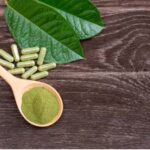
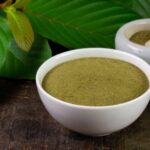
Kratom, scientifically known as Mitragyna speciosa, is an herb native to Southeast Asia that has been traditionally used for centuries to manage various ailments, including pain. Its growing popularity in the Western world has sparked considerable interest, particularly regarding its efficacy as a natural analgesic. At Spinfuel, we understand the importance of informed choices, especially when exploring alternative remedies.
This comprehensive guide delves into whether Kratom can effectively alleviate pain, explores the science behind its mechanism, details different strains and their specific benefits, and provides a crucial dosage guide to help users navigate its use responsibly. Our aim is to equip you with accurate, professional insights to make informed decisions about Kratom for pain management.
Understanding Kratom: An Overview
Kratom is a tropical evergreen tree in the coffee family, native to Thailand, Malaysia, Indonesia, and Papua New Guinea. For centuries, indigenous cultures have chewed its leaves or brewed them into a tea for their stimulant, sedative, and pain-relieving effects. The plant contains a unique blend of active alkaloids, primarily mitragynine and 7-hydroxymitragynine, which are responsible for its pharmacological properties.
The Science Behind Kratom and Pain Relief
The pain-relieving properties of Kratom are primarily attributed to its interaction with the body’s opioid receptors, although it is not an opioid itself. Mitragynine and 7-hydroxymitragynine bind to mu-opioid receptors in the brain, mimicking the effects of opioids without some of the severe side effects associated with traditional opioid medications. This interaction helps to reduce the perception of pain and can induce a sense of well-being.
Additionally, Kratom’s alkaloids may modulate other neurotransmitter systems, contributing to its complex effects. Its unique mechanism of action makes it a subject of intense scientific study, as researchers seek to understand its full potential and safety profile.
Different Kratom Strains for Pain Management
Kratom strains are typically categorized by the color of the leaf veins, which indicates different alkaloid profiles and, consequently, varying effects. While all strains may offer some degree of pain relief, certain types are more potent in this regard.
Red Vein Kratom for Pain
Red vein Kratom is widely considered the most effective for pain relief. These strains are known for their high concentrations of 7-hydroxymitragynine, which contributes to their potent analgesic and sedative properties. Red vein varieties are often recommended for chronic pain, insomnia, and anxiety, providing a calming and deeply relaxing effect.
Green Vein Kratom for Pain
Green vein Kratom offers a balanced profile, providing moderate pain relief coupled with an energy boost and mood enhancement. It’s often chosen by individuals seeking relief without the pronounced sedation associated with red strains. Green vein Kratom can be excellent for managing moderate pain while maintaining functionality throughout the day.
White Vein Kratom for Pain
White vein Kratom is generally recognized for its stimulating and mood-enhancing effects. While it can still offer some pain relief, it’s typically less potent than red or green strains in this aspect. Users often turn to white vein Kratom for energy, focus, and an uplifting feeling, making it less ideal for severe pain but potentially useful for minor aches combined with a need for alertness.
Kratom Dosage for Pain Relief: Finding Your Sweet Spot
Finding the right Kratom dosage for pain relief is crucial for both efficacy and safety. Dosage can vary significantly based on individual factors and the desired effects.
Factors Influencing Kratom Dosage
Tolerance: Regular users may require higher doses due to developing tolerance.
Weight and Metabolism: Individual body chemistry plays a significant role in how Kratom is processed.
Strain Potency: Different strains and batches can have varying alkaloid concentrations.
Severity of Pain: More severe pain may necessitate a slightly higher dose, but caution is always advised.
General Dosage Guidelines
It’s always recommended to “start low and go slow” when trying Kratom for pain relief, especially if you are new to it. These are general guidelines, and individual experiences may vary:
Beginner Dose (1-2 grams): This dose is ideal for first-time users or those with mild pain. It typically provides subtle effects, including mild pain relief and a mood boost.
Moderate Dose (3-5 grams): Many users find this range effective for moderate pain relief. It can offer noticeable analgesic effects, relaxation, and a sense of well-being.
Strong Dose (6-8 grams): For severe pain, some users may find a strong dose necessary. However, this range increases the risk of side effects like sedation and nausea. Doses exceeding 8 grams are generally not recommended due to increased side effects and potential for tolerance development.
Important Dosage Tips
Start Low, Go Slow: Begin with the lowest effective dose and gradually increase it until you find the desired pain relief.
Listen to Your Body: Pay close attention to how your body reacts. If you experience adverse effects, reduce your dose or discontinue use.
Stay Hydrated: Kratom can be dehydrating. Drink plenty of water throughout the day.
Consult a Professional: If you are on other medications or have underlying health conditions, consult a healthcare professional before using Kratom.
Potential Side Effects of Kratom
While many users find Kratom beneficial, it is not without potential side effects, particularly with higher doses or prolonged use. Common side effects include:
Nausea and vomiting
Constipation
Dizziness
Sedation
Dry mouth
Loss of appetite
Sweating
In rare cases, higher doses can lead to more severe effects such as tremors, seizures, or liver issues. Long-term heavy use can also lead to dependence and withdrawal symptoms if discontinued abruptly.
Legal Status and Safety Considerations
The legal status of Kratom varies widely across different regions and countries. In the United States, it is legal at the federal level, but several states and municipalities have banned or restricted its sale and use. Before purchasing or using Kratom, it is essential to check its legality in your specific location.
Safety is paramount. The unregulated nature of the Kratom market means that product quality can vary significantly. It is crucial to source Kratom from reputable vendors who provide third-party lab testing for purity and potency. This ensures the product is free from contaminants like heavy metals, pesticides, and harmful bacteria. Additionally, be aware that Kratom can potentially show up on a drug test.
Conclusion
Kratom holds promise as an alternative remedy for pain relief, with its unique alkaloid profile interacting with the body’s opioid receptors. Understanding the different strains, adhering to responsible dosage guidelines, and being aware of potential side effects are crucial for safe and effective use. While it offers a natural option for many, the importance of sourcing high-quality products and consulting healthcare professionals, especially for those with existing conditions or on other medications, cannot be overstated.
As research into Kratom continues, we at Spinfuel remain committed to providing our readers with the most current and accurate information to help them make informed decisions about their health and well-being.