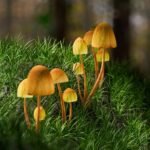
Psilocybin mushrooms, often referred to as “magic mushrooms,” have been utilized for centuries across various cultures for their profound psychoactive properties. These fungi contain psilocybin and psilocin, compounds known to induce altered states of consciousness. As research into their therapeutic potential expands, understanding the different species and their unique characteristics becomes increasingly important.
This article delves into five of the most well-known and potent psilocybin mushroom species, exploring their features, effects, and typical habitats. While we explore the science and characteristics of these mushrooms, it’s crucial to remember that their use is subject to legal restrictions in many regions. This content is for informational purposes only and does not endorse illegal activities.
What Is Psilocybin?
Psilocybin is a naturally occurring psychedelic compound found in over 200 species of mushrooms, commonly known as “magic mushrooms.” It is classified as a Schedule I controlled substance in many countries, meaning it has a high potential for abuse and no currently accepted medical use. However, ongoing research suggests significant therapeutic potential, particularly for mental health conditions like depression, anxiety, and PTSD.
How Does Psilocybin Work?
When ingested, psilocybin is rapidly converted in the body to psilocin. Psilocin then interacts with serotonin receptors in the brain, particularly the 5-HT2A receptors, leading to its characteristic psychedelic effects. These effects can include altered perception, mood changes, visual and auditory hallucinations, and a distorted sense of time. Users often report feelings of euphoria, spiritual experiences, and increased introspection.
Top 5 Psilocybin Mushroom Species
While many species contain psilocybin, some are more widely recognized and studied due to their prevalence, potency, or unique characteristics.
Psilocybe Cubensis
Commonly Known As: Golden Teacher, B+ Strain, Mexican, Koh Samui
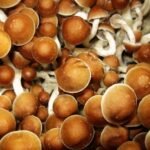
Psilocybe cubensis is arguably the most famous and widely cultivated psilocybin mushroom worldwide. It’s relatively easy to grow, making it popular among amateur mycologists. Its caps are typically golden-brown, changing color as they mature, and the stems often bruise blue when handled, indicating the presence of psilocin.
Effects: P. cubensis is known for delivering a balanced psychedelic experience, often characterized by strong visuals, profound introspection, and a sense of euphoria. The intensity can vary greatly depending on the strain and dosage.
Potency: Moderate to high.
Habitat: Found in tropical and subtropical regions globally, typically growing on dung or nutrient-rich soil.
Psilocybe Azurescens
Commonly Known As: Flying Saucer Mushroom, Azzies
Considered one of the most potent psilocybin mushroom species, Psilocybe azurescens is recognized by its distinct caramel to chestnut-brown cap, which flattens with maturity and often has an undulated margin. Its robust stem frequently shows strong bluing when bruised.
Effects: P. azurescens delivers an intense psychedelic experience, often marked by powerful visuals, deep philosophical insights, and profound body sensations. Due to its high potency, lower doses are recommended.
Potency: Very High.
Habitat: Primarily found in the Pacific Northwest of the United States, growing in sandy soils rich in woody debris, especially near the coast.
Psilocybe Semilanceata (Liberty Caps)
Commonly Known As: Liberty Cap
Psilocybe semilanceata, or “Liberty Caps,” are easily recognizable by their distinctive conical or bell-shaped caps, often with a small nipple-like protrusion at the top. They are small but remarkably potent, making them highly sought after.
Effects: Liberty Caps provide a clear-headed and visually rich experience. Users often report intense euphoria, increased creativity, and profound philosophical insights, even with relatively small doses.
Potency: High.
Habitat: Widely distributed across temperate regions of the Northern Hemisphere, P. semilanceata thrives in grasslands, meadows, and pastures, especially where sheep or cattle graze.
Psilocybe Cyanescens (Wavy Caps)
Commonly Known As: Wavy Caps
Named for their characteristically wavy, caramel-brown caps, Psilocybe cyanescens are another highly potent species. Their caps can range from 2-8 cm in diameter and often bruise blue at the edges when damaged.
Effects: Wavy Caps are known for delivering potent and long-lasting psychedelic experiences. Users often report intense visual distortions, profound emotional release, and a strong sense of connection to nature. The trip can be more profound and challenging than with P. cubensis.
Potency: High to Very High.
Habitat: Predominantly found in the Pacific Northwest of North America and parts of Europe, growing in wood chips, mulch, and woody debris.
Psilocybe Stuntzii (Blue Ringers)
Commonly Known As: Blue Ringers, Stuntz’s Blue-Foot
Psilocybe stuntzii is a lesser-known but still potent species named after mycologist Daniel Stuntz. It has a conical to convex cap that is typically brown and fades to yellow-brown with age. Its defining feature is a persistent membranous annulus (ring) on the stem, which often stains blue.
Effects: P. stuntzii offers a strong psychedelic experience, often described as introspective with clear visuals. Its effects are comparable to a moderate dose of P. cubensis but can sometimes be more intense.
Potency: Moderate to High.
Habitat: Native to the Pacific Northwest of North America, it typically grows on decaying wood, wood chips, and in cultivated areas like gardens and parks.
What To Consider When Using Psilocybin
For those interested in the potential therapeutic or recreational use of psilocybin, several factors are critical to ensure a safe and meaningful experience. Again, remember that legal restrictions apply in many jurisdictions.
Dosage
Dosage varies significantly between species and individual sensitivity. Always start with a low dose, especially if you are inexperienced, to assess your reaction. Potent species like P. azurescens require significantly smaller doses compared to P. cubensis. Overdosing can lead to overwhelming and distressing experiences.
Set and Setting
The “set” (your mindset, mood, and expectations) and “setting” (your physical environment and social surroundings) are paramount to a positive psychedelic experience. A comfortable, safe, and familiar environment with trusted companions is recommended. Entering a psychedelic experience with anxiety or in an unsafe environment can lead to negative outcomes.
Legality
The legal status of psilocybin mushrooms varies widely across the globe. In many countries, psilocybin is classified as a Schedule I substance, making its possession, sale, and cultivation illegal. However, some regions have decriminalized or legalized psilocybin for medical or recreational use. Always inform yourself about local laws before considering any interaction with psilocybin mushrooms.
The world of psilocybin mushrooms is diverse and fascinating, offering a spectrum of experiences depending on the species. From the widely cultivated Psilocybe cubensis to the highly potent Psilocybe azurescens, each species carries its unique set of characteristics, potency levels, and ideal growing conditions. While research continues to unlock their therapeutic potential, responsible and informed consideration of dosage, set, setting, and legality remains crucial for anyone exploring these extraordinary fungi.
Remember, this article is for informational purposes only. Always prioritize your safety and adhere to local laws.