The Rebranding of Psilocybin – Powerful Recreation
By Spinfuel Editorial • Nashua, NH • June 15, 2024
For generations, psilocybin has been widely perceived as an illicit hallucinogen primarily used for recreational purposes, particularly by those who experienced the counterculture of the 1960s and 70s.
However, recent advancements in research and shifting societal attitudes are revealing this natural compound in a transformative new light — not merely as a party drug, but as a potent psychiatric tool. Once commonly known as “magic mushrooms,” psilocybin is currently undergoing a significant rebranding and a resurgence in the mental health field.
Extensive studies increasingly highlight its potential as an alternative treatment for conditions such as depression, anxiety, addiction, and more. As the therapeutic application of psychedelics gains mainstream acceptance, psilocybin is poised to transition from its Schedule I narcotic classification to potentially becoming an FDA-approved medicine.
This paradigm shift challenges conventional wisdom and offers renewed hope to individuals suffering from various mental illnesses. The journey of this remarkable substance is one where scientific promise is overcoming long-standing stigma and unfounded fears. While its history is undeniably complex, its future in psychiatry now appears significantly brighter.
Psilocybin, the active compound in ‘magic mushrooms,’ boasts a long history of human interaction. Anthropological evidence suggests these mushrooms were utilized ceremonially by indigenous peoples of Mesoamerica for thousands of years.
However, by the mid-20th century, psilocybin and other psychedelics gained recreational popularity, leading to increased concerns regarding their safety and potential for abuse.
Criminalization and the Rise of Underground Use
In 1970, psilocybin was classified as a Schedule I controlled substance, effectively criminalizing its use and halting most scientific research. Nevertheless, this categorization did not diminish intense public interest, particularly among the baby boomer generation.
Instead, it inadvertently fostered an underground culture of recreational use that persists even today. While some underground users report positive experiences, unregulated use inherently carries risks, much as it did in the 70s, and potentially even more so in the 2020s.
A Resurgence of Scientific Interest
In recent decades, researchers have revisited psilocybin’s therapeutic potential. Rigorous clinical trials have demonstrated its effectiveness in reducing symptoms of anxiety, depression, and post-traumatic stress disorder when integrated with appropriate psychotherapy.
The renewed interest in psilocybin’s medical benefits has prompted some researchers to advocate for its removal from Schedule I to facilitate further research and legally regulated therapeutic applications. It is this writer’s opinion that while therapeutic use is promising, magic mushrooms should not become a legal, easily obtainable substance for unrestricted public access.
An Uncertain Future
The future of this potential breakthrough drug therapy remains complex. While research into its therapeutic benefits is highly promising, it also has a history of recreational misuse. Policymakers must carefully weigh these factors when determining how to reclassify the drug to permit regulated medical use.
Psilocybin’s checkered past contributes to this intricate decision but should not impede our pursuit of its promising medical future. With proper safeguards and oversight, it could become an effective treatment for individuals suffering from various mental health conditions.
Emerging Research for Mental Health
Recent clinical trials have yielded promising results for psilocybin as a treatment for specific mental health conditions.
Reducing Anxiety in Patients with Life-threatening Illnesses
Research indicates that psilocybin can significantly alleviate anxiety and depression in patients facing life-threatening illnesses such as cancer. A 2016 study found that cancer patients who received a single dose reported substantial decreases in anxiety, depression, hopelessness, and demoralization. These benefits were sustained for over six months. Psilocybin appears to induce an “ego-dissolution” experience, which helps shift patients’ perspectives and reduces distress concerning mortality.
Treatment of PTSD
Psilocybin also shows considerable promise as a treatment for post-traumatic stress disorder (PTSD). In one study, patients with chronic PTSD reported a decrease in symptom severity after a single, or sometimes repeated, treatment session.
Brain scan data revealed changes in neural patterns linked to decreased activity in the amygdala, a brain region critically involved in fear and stress responses. Psilocybin may assist PTSD patients in processing traumatic memories and finding new meaning in their experiences.
While further research is still necessary, the existing evidence suggests that psilocybin could potentially revolutionize mental health care, offering relief for those with conditions unresponsive to conventional treatments.
With appropriate safeguards and medical oversight, psilocybin may earn its place as an accepted therapeutic tool.
Psilocybin as a Treatment for Depression
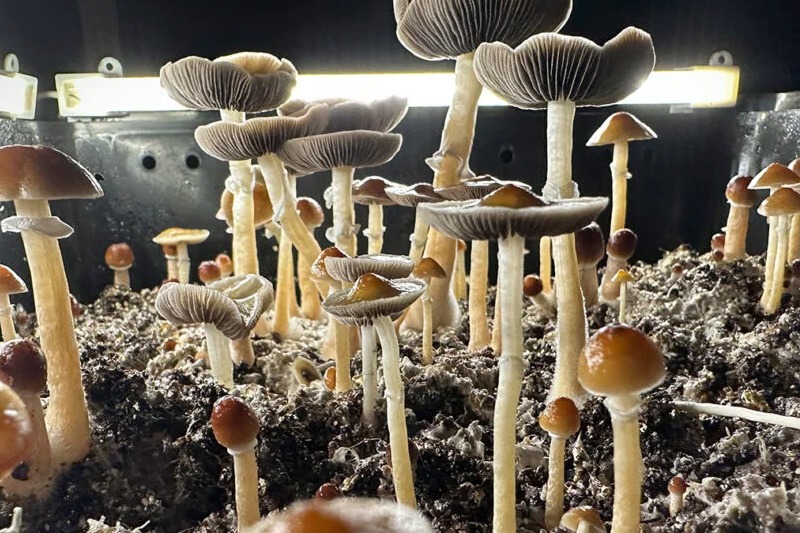
The psychoactive compound found in “magic mushrooms” is also demonstrating promising results as a treatment for depression. Researchers have discovered that psilocybin, when administered under careful monitoring and with proper preparation and aftercare, can exert profound antidepressant effects.
Psilocybin appears to operate differently from conventional antidepressants by enhancing connectivity within the brain.
Rapid Antidepressant Effects
Psilocybin has been shown to reduce symptoms of depression very quickly. In clinical trials, this treatment has significantly improved mood and reduced depressive symptoms within weeks, a stark contrast to the weeks or months typically required for most antidepressant medications to become fully effective.
The rapidity of its effects suggests that it may be a promising treatment for severe, treatment-resistant depression where conventional medications have failed.
Lasting Impact
Psilocybin’s antidepressant effects also appear to be remarkably long-lasting. Studies have found that after one or two doses administered under medical supervision, antidepressant effects persisted for up to six months. This contrasts with many antidepressant medications, which necessitate daily use to maintain efficacy. The longevity of its impact could make it particularly valuable for the maintenance treatment of chronic depression.
Low Risk of Side Effects
Unlike most antidepressant drugs, psilocybin appears to carry a low risk of significant side effects or toxicity, though more extensive research is still needed. When properly administered in a medical setting, psilocybin does not seem to induce addiction or dependence in patients.
The most common side effects are psychological, including temporary feelings of fear, anxiety, and paranoia, which are often thought to be related to the apprehension of experiencing a “trip.”
However, psilocybin can exacerbate symptoms in individuals with psychotic disorders and should be strictly avoided in these populations.
In summary, psilocybin shows promise as a novel treatment for depression due to its rapid, long-lasting effects and its low risk of severe side effects or toxicity for the majority of individuals.
While larger clinical trials are still underway, psilocybin may prove to be a breakthrough in mental health care for those suffering from depression. We have already observed many positive results.
Psilocybin for PTSD: A Promising New Option
Psilocybin, found in “magic” mushrooms, is also showing encouraging results for treating post-traumatic stress disorder (PTSD) in clinical trials. It offers a unique approach to addressing the root cause of PTSD symptoms through a carefully guided psychedelic experience. While it may seem unconventional, under the guidance of the right therapist, PTSD symptoms can be significantly reduced or even eliminated when the patient engages with Psilocybin. I’ve witnessed its effectiveness firsthand; it’s real, and its applications are likely to broaden as we gain more understanding.
Reducing Activity in the Default Mode Network
The default mode network (DMN) comprises a set of interconnected brain regions that are active when an individual is awake but at rest. This network is often hyperactive in people with PTSD, and psilocybin works by temporarily reducing activity in these regions.
This reduction allows for increased flexibility and connectivity between other brain areas involved in emotional processing and memory. Patients can thus reframe traumatic memories in a new, less frightening context.
A recent study revealed that psilocybin-assisted therapy led to significant reductions in PTSD symptoms after just one or two treatment sessions.
At a 4-week follow-up appointment, 67% of participants no longer met the clinical criteria for PTSD. These positive results have been shown to persist for at least 6-12 months post-treatment.
The FDA recently granted psilocybin “breakthrough therapy” designation for PTSD, accelerating its development process. Several large-scale clinical trials are currently underway to further evaluate its effects. If approved, it could provide a vital alternative treatment for millions of people worldwide suffering from PTSD.
Psilocybin therapy is still in its nascent stages, but many, myself included, view it as the future of PTSD treatment. By addressing the fundamental causes of trauma in a gentle and insightful manner, psilocybin helps patients find peace and closure at last.
For individuals suffering from chronic, treatment-resistant PTSD, psilocybin may represent a source of hope where none existed before. The profound healing potential of this ancient compound is only just beginning to be fully understood.
The Future of Psilocybin in Mental Health Care
As research on psilocybin continues to yield promising results, the prospect of its mainstream acceptance and legalization as a treatment for mental health conditions appears increasingly viable.
Several key factors indicate the potential for psilocybin to become an accepted psychiatric treatment in the coming years.
Growing Public Support
Public opinion regarding psychedelics has become notably more favorable, particularly concerning medical and therapeutic use.
Surveys demonstrate majority support for legalizing psilocybin, specifically for medical treatment. As more people become informed about the promising research, this support is likely to continue its upward trajectory.
Lawmakers and regulators may consequently face increasing pressure to approve psilocybin as a therapeutic option.
Expanded Access and Legalization
Some jurisdictions have already legalized psilocybin for medical use, and others are actively considering similar legislative measures.
As it gains regulatory approval and becomes legally accessible as a treatment, physicians will have the opportunity to prescribe it to appropriate patients.
This development could dramatically increase access for those who stand to benefit. However, legalization also introduces risks, such as diversion for recreational use. Strict controls and rigorous oversight would be essential.
Investment and Innovation
Psilocybin research has attracted substantial investment from private donors and philanthropic organizations in recent years, reaching levels previously unimaginable.
As the prospects for legal medical use and potential profits grow, major pharmaceutical companies may invest in developing psilocybin into an approved treatment.
Their resources could significantly accelerate research, clinical trials, and the approval process. However, some critics argue that “medicalizing” psilocybin might lead to high treatment costs and limited access for those most in need.
Overall, psilocybin appears poised to become an accepted option for mental health care, but its progression demands a balanced, ethical, and evidence-based approach.
With proper safeguards and oversight in place, regulated medical use could revolutionize treatment for many who suffer from difficult-to-treat conditions.
Conversely, a purely profit-driven model risks commodifying this powerful experience in a way that might diminish its profound therapeutic potential.
An open and informed public discussion will be crucial to guide policy and set the correct course for its integration.
Conclusion
As we have explored, psilocybin has undergone a remarkable transformation from its origins as a recreational drug to its emergence as a promising mental health aid. While more extensive research is still needed, initial studies compellingly demonstrate its potential to revolutionize treatments for depression, anxiety, PTSD, and a range of other conditions.
Those of us working within this field are increasingly convinced of psilocybin’s potential to facilitate profound positive changes; yet, it often encounters significant skepticism from more conservative or resistant perspectives.
With an open mind, rigorous scientific inquiry, and responsible implementation, society can continue to progress toward accessing the genuine healing power of this compound.
Carefully controlled clinical use offers tangible hope that we can alleviate the burden of mental illness through this innovative approach.
Though the path forward for psilocybin’s progress presents certain obstacles, it is a journey well worth pursuing. Through earnest societal conversation and a commitment to safely expanding treatment options, psilocybin may fully transition from a stigmatized substance to a respected and effective therapy.
The opportunity lies before us to alleviate suffering and improve countless lives for the better. Now is the time to come together and see this through.
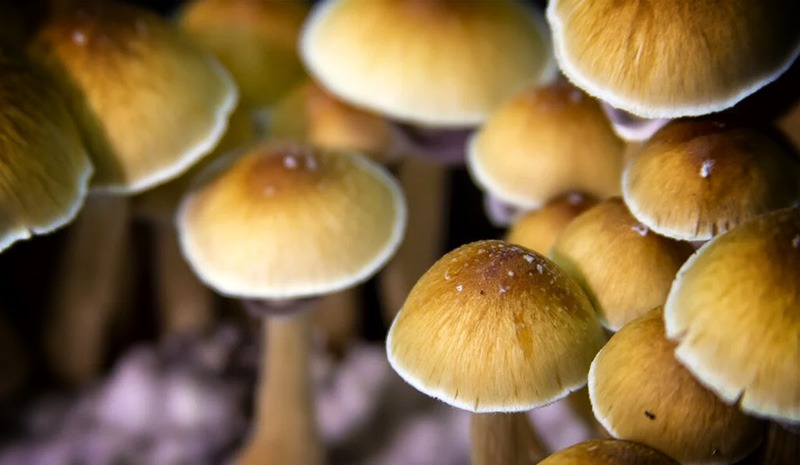 The psychoactive compound found in “magic mushrooms” is also demonstrating promising results as a treatment for depression. Researchers have discovered that psilocybin, when administered under careful monitoring and with proper preparation and aftercare, can exert profound antidepressant effects.