Crohn’s Disease – Can CBD Oil Help Symptoms and Re
By Spinfuel Editorial • Nashua, NH • June 15, 2024
Cannabidiol (CBD) continues to gain recognition for its diverse therapeutic potential. For many chronic conditions lacking a definitive cure, managing symptoms is paramount. One such ailment is Crohn’s disease, a type of Inflammatory Bowel Disease (IBD) that primarily affects the digestive tract.
Characterized by severe abdominal pain, inflammation, fatigue, and diarrhea, Crohn’s disease can significantly impair quality of life and, if left unaddressed, may lead to life-threatening complications. This article explores the potential of CBD oil in alleviating symptoms and offering relief for individuals living with Crohn’s disease.
Crohn’s Disease – Can CBD Oil Help Symptoms and Relief in 2020?
While more extensive clinical research is still needed to definitively establish the efficacy of CBD oil for IBD, preliminary studies and anecdotal reports suggest promising potential in managing Crohn’s symptoms. The expanding body of evidence continues to highlight the broad medical benefits of various CBD products.
CBD products are available in a variety of forms, such as sprays, tinctures, and capsules. Among these, CBD oil is often favored for its ease of administration and relatively rapid onset of action, making it a popular choice for symptom management.
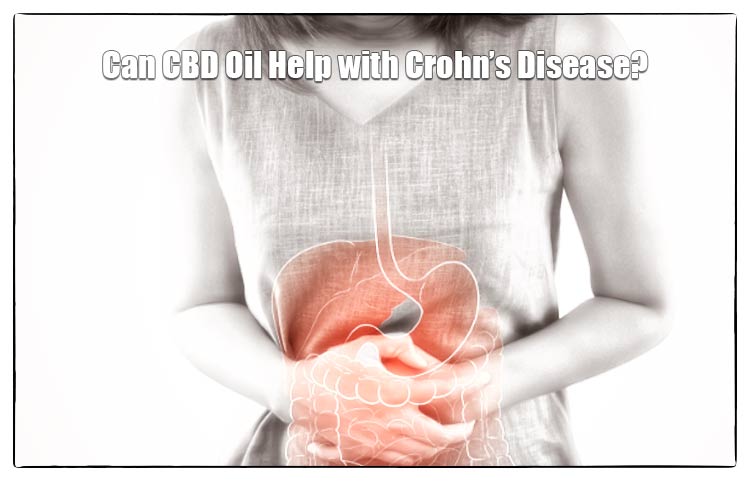
Crohn’s disease is characterized by chronic inflammation that can manifest as inflamed, red patches throughout the digestive tract, most commonly affecting the small intestine. Patients frequently experience debilitating symptoms including persistent diarrhea, blood-stained stool, chronic fatigue, severe abdominal pain, and unintentional weight loss.
CBD oil holds promise in alleviating some of these challenging symptoms. When considering CBD, it’s essential to understand the different formulations: full-spectrum, broad-spectrum, and isolate. Full-spectrum CBD, which contains all cannabinoids found in the cannabis plant, including trace amounts of THC, is often considered the most effective due to the “entourage effect.” However, as THC is psychoactive, broad-spectrum or isolate options may be preferred for those seeking to avoid THC, especially with continuous use.
Crucially, before integrating CBD into your regimen, it is imperative to consult with your physician. They can advise on appropriate dosages, assess potential interactions with existing medications, and monitor your body’s response to ensure safe and effective use.
What Research Says on CBD and Crohn’s Disease
Preliminary research offers encouraging insights. A study conducted in 2018 investigated the benefits of full-spectrum CBD in 93 patients with Crohn’s disease. The findings indicated significant improvements in the participants’ overall health and quality of life, with a notable reduction in severe symptoms.
Potential Effects of CBD Oil on Crohn’s Disease
To date, CBD has shown promise in helping to alleviate key symptoms associated with Crohn’s disease, such as chronic pain, inflammation, and fatigue. Users may experience a reduction in discomfort, contributing to an improved sense of well-being and a decrease in the persistent pain often linked to IBD.
However, it is crucial to acknowledge that CBD is not without potential side effects. While not common for most users, some individuals may experience drowsiness, especially when first starting or adjusting dosages. It is always recommended for beginners to carefully monitor their body’s reaction to different CBD doses.
Furthermore, full-spectrum CBD products contain THC, the psychoactive compound that can induce a “high” sensation. Regular, high-dose consumption of THC may lead to dependency. It is also important to remember that CBD products are not yet approved by the FDA, though their legal status varies by state within the US. Consumers should verify local laws and regulations concerning CBD product use in their specific state.
Conclusion
As we’ve delved into the potential of CBD oil as a therapeutic agent for Crohn’s Disease, it’s clear that this area warrants further exploration. While some studies and anecdotal evidence suggest that CBD oil may offer symptomatic relief, particularly in terms of inflammation and pain management, the medical community is still in the early stages of understanding its full impact and efficacy.
It’s crucial for patients to remember that CBD oil should not replace conventional treatments for Crohn’s Disease. Instead, it may serve as a complementary therapy, potentially enhancing the overall management of the condition. The importance of consulting with healthcare professionals cannot be overstated. They can provide personalized advice and ensure that any use of CBD oil is safe, especially considering the potential interactions with other medications.
As research continues to evolve, it is hoped that more definitive answers regarding the role of CBD oil in managing Crohn’s Disease will emerge. For now, patients considering CBD oil as a part of their treatment plan should proceed with caution, stay informed, and maintain open communication with their healthcare providers. This cautious yet hopeful approach reflects the current landscape of CBD oil use in chronic conditions like Crohn’s Disease—a promising field, but one where more scientific backing is essential for conclusive guidance.

 Crohn’s Disease – Can CBD Oil Help Symptoms and Relief in 2020?